

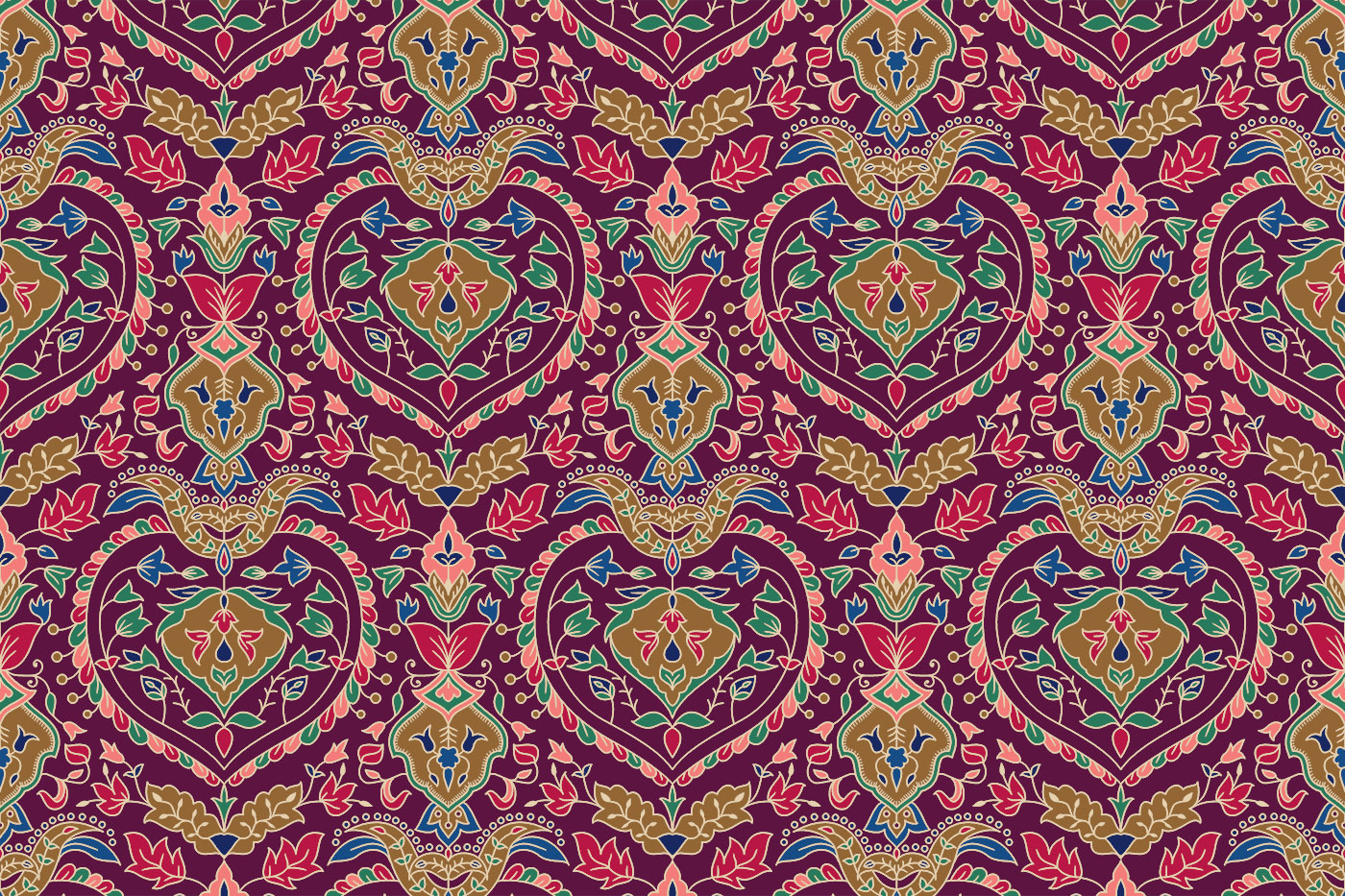

Mughal Print: Timeless Indian Textile Designs Inspired by Royal Heritage
Explore Mughal Print Textile Designs
Production-ready Mughal-inspired patterns for fashion, fabric printing and contemporary textile collections — built around elegant florals, buta motifs, jaal layouts, ornamental vines, arches and royal decorative rhythm.
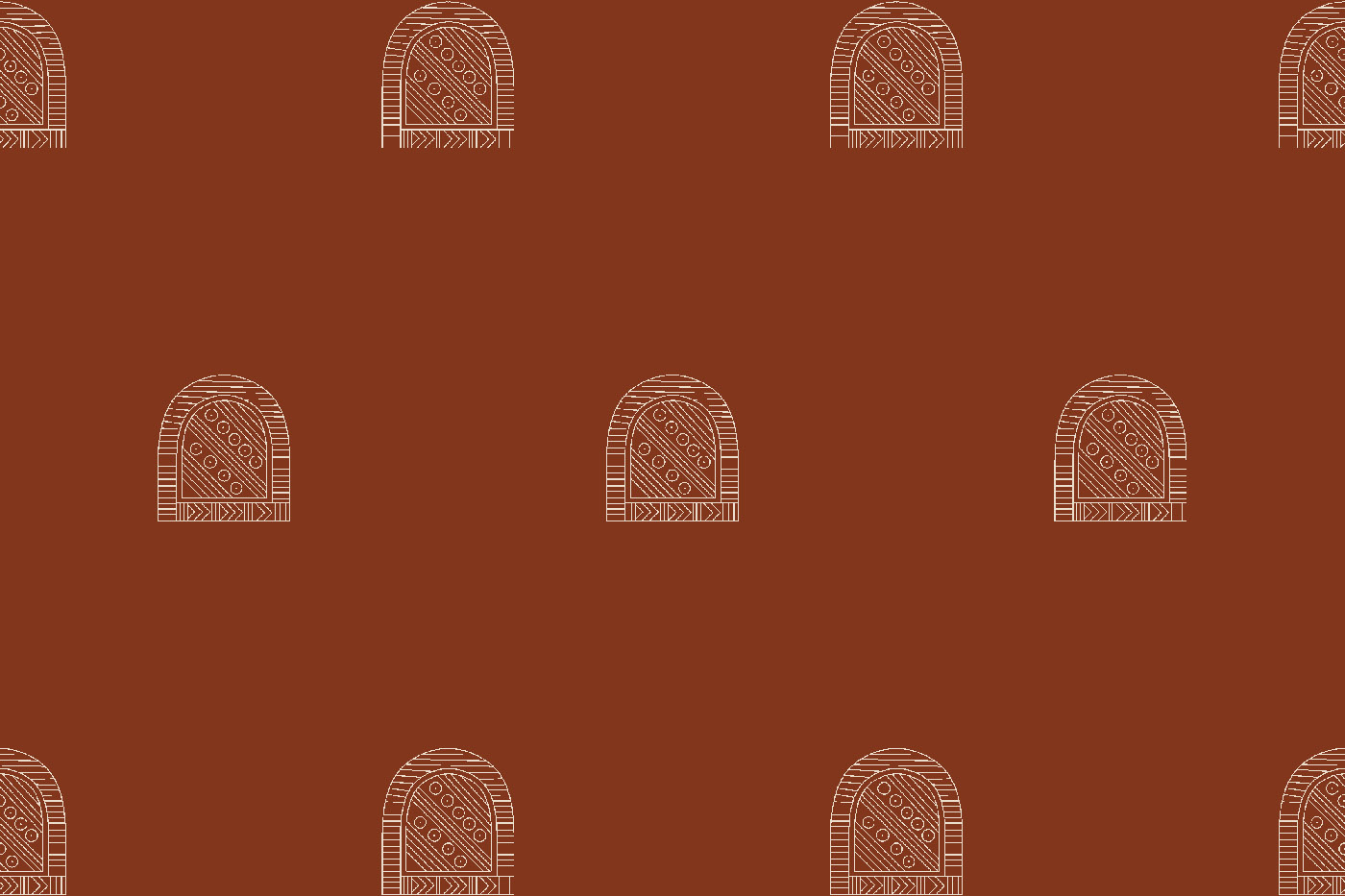
Mughal Arch Butti Seamless
View Design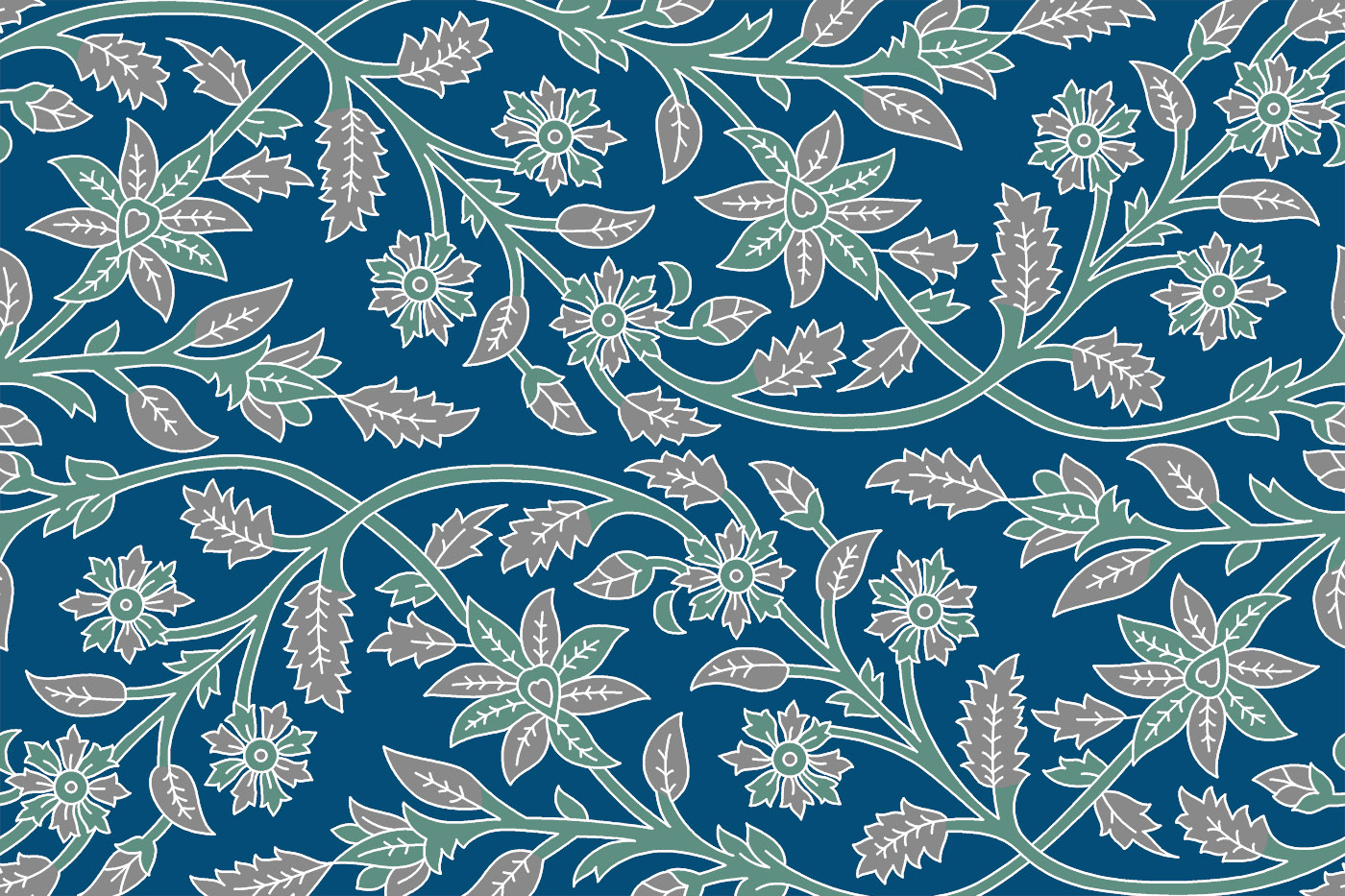
Mughal Floral Ornamental Repeat
View Design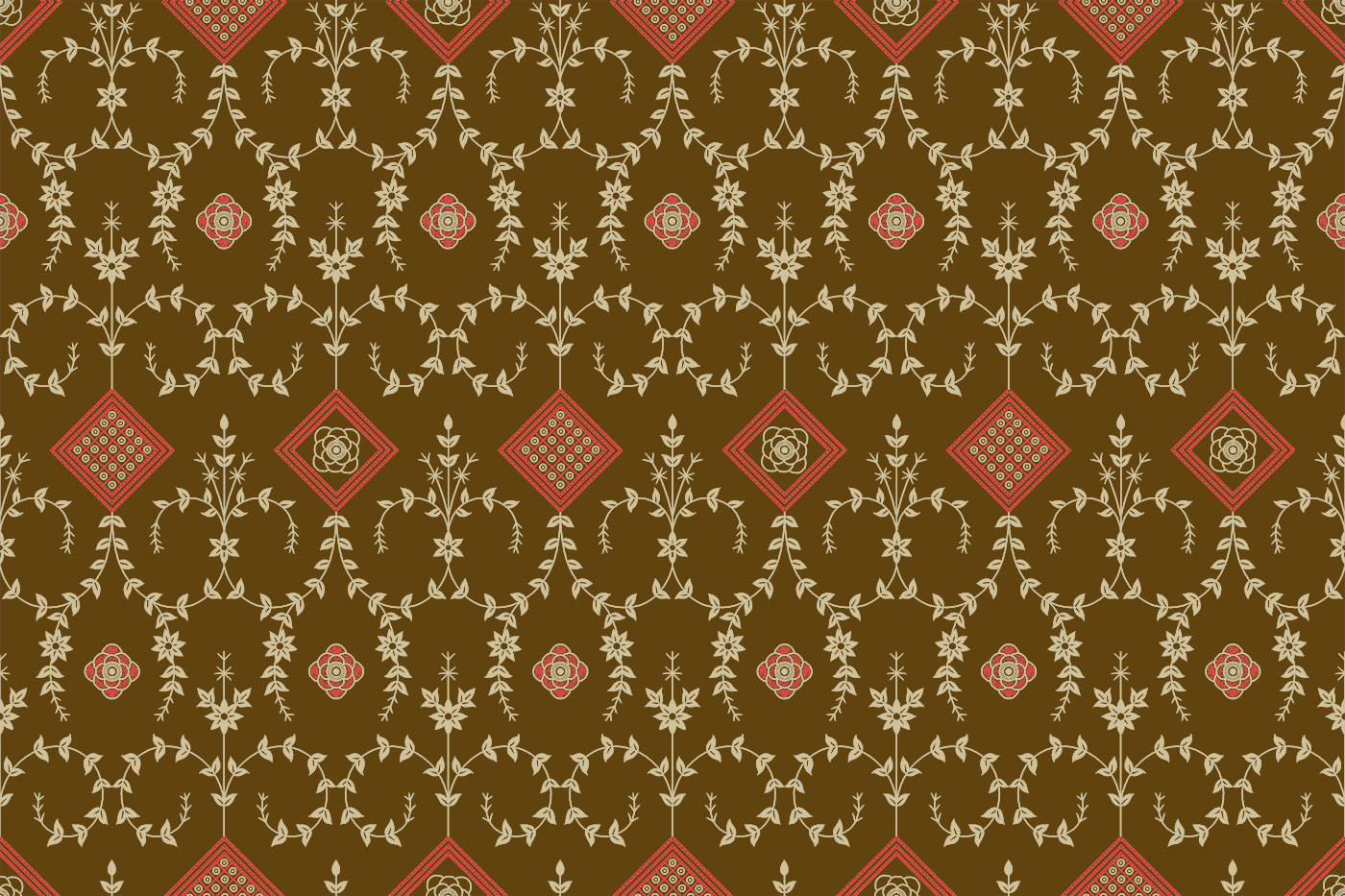
Mughal Floral Lattice Jaal
View DesignWhat makes a Mughal print feel elegant, ornamental and unmistakably royal?
It begins with a visual language built around disciplined composition — floral sprays, delicate vines, buta motifs, jaal structures, arches, medallions and carefully balanced ornament.
Mughal-inspired textile prints translate this decorative vocabulary into repeat patterns and placement layouts for contemporary fabrics. The look can range from fine botanical linework and restrained monochrome motifs to richly coloured floral compositions with a more luxurious character.
This article explores the design language of Mughal prints, the motifs that define the style, how repeat structures are built, how colour changes the mood, and how Mughal-inspired digital textile designs can move from concept to modern fashion and production.
What Makes Mughal Print Different?
Mughal-inspired design is recognised by ornamental balance, botanical detail and a strong relationship between motif, spacing and repeat structure.
✿
Floral Ornament
Flowers, leaves and stylised botanical sprays form a major part of Mughal-inspired textile design. Motifs can be delicate and linear or richly layered for a more decorative fashion direction.
❖
Buta & Buti Motifs
Single motifs such as buta and buti create controlled rhythm across fabric. Their scale and spacing can be adjusted for kurtis, dresses, shirts, dupattas and accessories.
▦
Jaal & Lattice
Interconnected vines, flowers and geometric frameworks create jaal-style compositions that fill the fabric with an organised ornamental network.
⌂
Architectural Details
Arches, framed panels, medallions and ornamental borders can introduce a structured royal character while remaining adaptable to contemporary textile layouts.
How a Mughal Print Is Built — From Motif to Textile Repeat
Unlike a random floral arrangement, a strong Mughal-inspired print depends on motif drawing, hierarchy, spacing, colour control and repeat planning.
1
Define the Mughal Motif Language
Choose the visual direction first: floral sprays, botanical vines, buta, buti, jaal, arch motifs, medallions or ornamental borders. This establishes the identity of the collection.
2
Develop the Primary Motif
The main flower, buta, arch or ornamental unit is refined for proportion, line quality and internal detail. The primary motif becomes the visual anchor of the print.
3
Add Supporting Botanicals
Leaves, stems, buds and secondary flowers are introduced to connect the main motif and create a controlled hierarchy without making the design visually heavy.
4
Build the Repeat Structure
Motifs are arranged into an all-over repeat, jaal, stripe, border or placement composition. Spacing is adjusted so the design remains balanced across fabric.
5
Develop the Colourway
Colour is selected according to the intended fashion direction. Heritage neutrals, deep jewel tones, muted pastels and contemporary contrast palettes can create very different results from the same motif.
6
Refine Scale & Placement
Motif size is tested for the final product. Small butis can support all-over fabrics, while larger florals and framed motifs can work as statement placements.
7
Prepare the Production File
The final artwork is organised for textile production, with high-resolution output, editable layers or channels and repeat clarity where specified for the individual design.
8
Test Before Bulk Production
Sampling helps confirm scale, colour, repeat alignment and garment placement before the design moves into larger fabric production.
The Mughal Print Design Process at a Glance
The strongest result comes from controlling the complete visual system rather than selecting a floral motif alone.
Motif Direction
→Primary Motif
→Botanical Detail
→Jaal / Repeat
→Colourway
→Scale
→Placement
→Production File
→Mughal Textile
The exact layout can change between buti, buta, jaal, border and placement designs, but the core principle remains controlled ornament, repeat balance and production-ready execution.
The Colour Language of Mughal Prints
Mughal-inspired prints can move from understated heritage palettes to rich, fashion-forward colour stories without losing their ornamental character.
Indigo & Deep Blue
Creates depth and a sophisticated heritage mood for ethnicwear, shirts, dresses and contemporary textile collections.
Maroon & Rust
Adds warmth and festive richness, especially effective with floral buta, jaal and ornamental compositions.
Black & Charcoal
Gives detailed floral and architectural motifs a sharper, modern and premium fashion direction.
Ivory & Soft Neutrals
Creates breathing space around fine linework and supports elegant, minimal and premium Mughal-inspired collections.
The Structure Behind Mughal Jaal & Ornamental Prints
Mughal-inspired design is not only about individual flowers. The relationship between motifs, empty space, symmetry and repeat direction creates the finished textile character.
Motif → Vine → Balance → RepeatThe decorative language is organised into a repeat system before it becomes a production textile.
Floral ButaJaalArchOrnamental Border
- Floral buta — A single dominant botanical motif creates rhythm and can be repeated across the full fabric.
- Buti spacing — Smaller motifs create lighter all-over surfaces and are useful for commercial garment fabrics.
- Jaal structure — Vines and flowers interconnect to create a fuller ornamental field with controlled continuity.
- Arch & framed motifs — Architectural shapes introduce a structured royal accent for panels and statement placements.
- Scale matters — Small repeats work differently from large statement florals, especially after garment cutting and placement.
Why Mughal Prints Require Precision
The visual richness of Mughal-inspired prints can quickly become cluttered if motif hierarchy, spacing and repeat alignment are not controlled. Every flower, leaf, vine and ornamental element needs enough space to remain readable at the final production scale.
For digital textile production, precision also means checking repeat continuity, colour separation, scale and placement before sampling. A well-organised editable design makes it easier to develop colourways and adapt the same visual language across different garments and fabric programs.
Mughal Prints Today — From Heritage Ornament to Modern Fashion
Mughal-inspired motifs can be translated into repeat prints, placement layouts and multiple colourways for contemporary apparel, accessories and home textiles.
Fashion Applications
- Kurtis and ethnicwear
- Shirts, dresses and co-ord sets
- Dupattas, stoles and scarves
- Kurti fronts, yokes and sleeve placements
- Indo-Western and occasionwear collections
Modern Textile Applications
- Seamless all-over fashion prints
- Digital textile printing
- Home furnishing and upholstery
- Accessories and lifestyle products
- Contemporary surface pattern collections
Collection Development
Use Mughal-inspired floral, buta and jaal repeats to build coordinated stories for kurtis, dresses, shirts, dupattas and premium ethnicwear.
Garment Engineering
Large motifs, arches and ornamental borders can be adapted for fronts, yokes, sleeves, panels, necklines and coordinated sets.
Commercial Production
Editable digital files make it easier to test colourways, scale and placement before sampling and bulk fabric production.
Fashion workflow advantage: concept → motif → colourway → sampling → production can stay inside one digital design workflow.
Mughal-Inspired Designs Ready for Textile Production
DesignShatter features Mughal-inspired digital textile designs developed for fashion, fabric printing and surface-pattern workflows. Individual products specify their own file, repeat and licensing details.
300 DPIHigh-resolution print output where specified
PSDEditable layered artwork on supported designs
ChannelsColour customisation on supported files
RepeatSeamless repeat options where specified
Mughal Designs for Modern Textile Projects
Explore Mughal-inspired textile patterns developed for fashion, garment sampling, fabric printing and contemporary surface design.
Current DesignShatter offers: Buy 3 Designs & Save 25% — DSBUY3SAVE25 · New User: 10% OFF — DSWELCOME20 · Selected campaign: FREEDOM50
Browse All Mughal Designs →Frequently Asked Questions
What is a Mughal print?
A Mughal print is a textile design inspired by ornamental floral, botanical, geometric and architectural decorative elements associated with Mughal-inspired visual traditions.
What motifs are common in Mughal-inspired prints?
Common design directions include floral sprays, leaves, vines, buta, buti, jaal, medallions, arches, ornamental borders and other botanical or decorative motifs.
What is a Mughal buta or buti?
A buta or buti is a repeated standalone decorative motif. The terms are commonly used in Indian textile design to describe larger and smaller motif formats, although usage can vary by designer and region.
What is a Mughal jaal print?
A jaal print uses interconnected motifs, vines, flowers or ornamental elements to create a continuous network across the fabric surface.
Can Mughal prints be used for modern fashion?
Yes. Mughal-inspired prints can be adapted for kurtis, dresses, shirts, co-ord sets, dupattas, scarves, accessories and contemporary ethnicwear collections.
Which colours work well with Mughal-inspired prints?
There is no single fixed palette. Deep blues, indigo, maroon, rust, black, ivory, muted neutrals and contemporary pastel or contrast colourways can all be used depending on the collection direction.
Can Mughal prints be used as seamless repeats?
Yes. Many digital textile designs are created as seamless repeats, but the exact repeat specification should always be checked on the individual DesignShatter product page.
Are Mughal-inspired designs suitable for textile printing?
DesignShatter offers Mughal-inspired digital textile designs intended for textile printing and fashion design workflows. Individual product pages specify the available file format, resolution, repeat and licensing details.
Can Mughal print colours be customised?
On designs supplied with editable channels or layered artwork, colourways can be adjusted within the capabilities of the provided file. Check the individual product specifications before purchase or download.
Latest Post


