

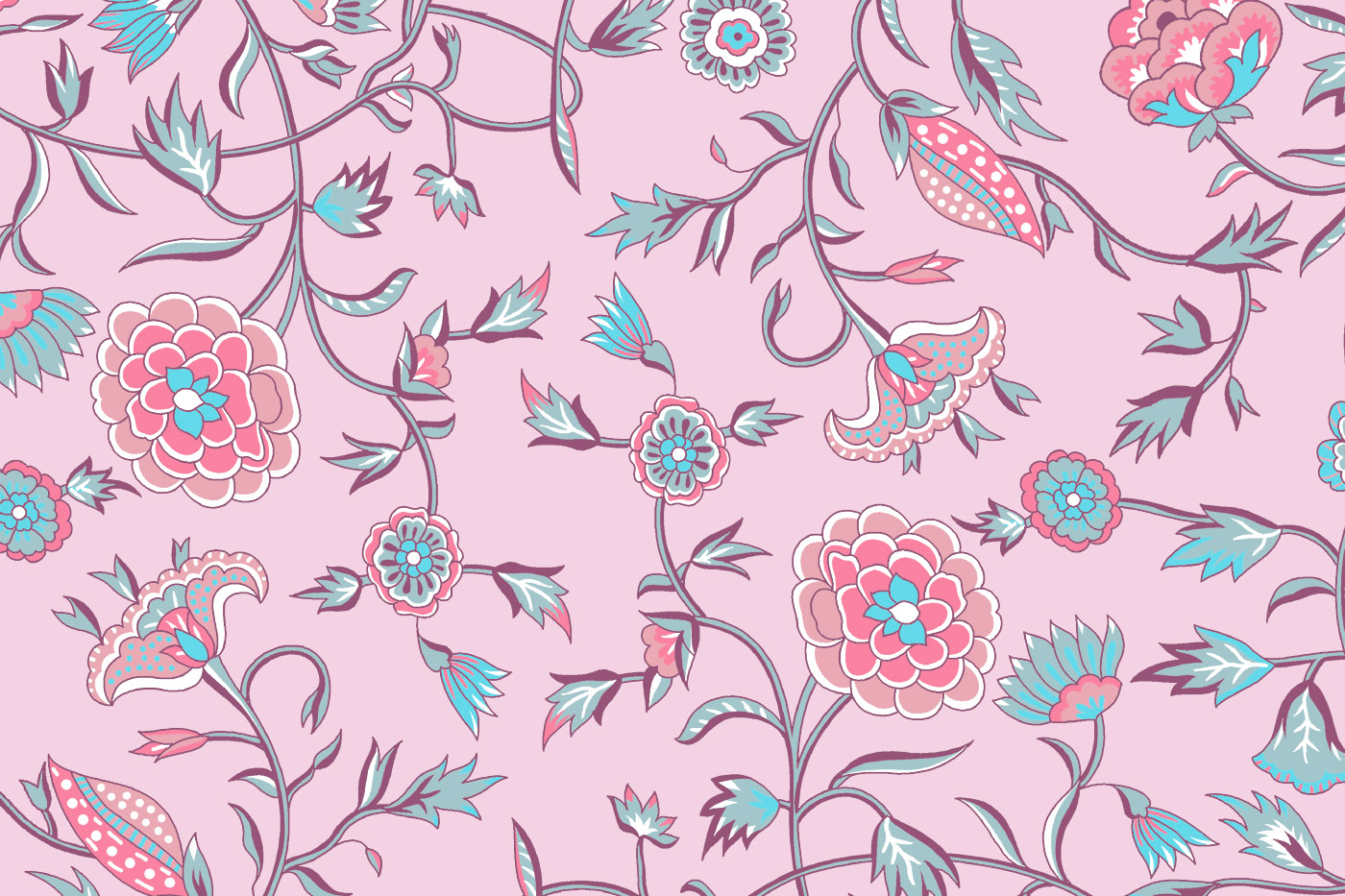

Allover Print Textile Designs: Seamless Patterns for Fashion & Fabric
=========================================================
DESIGN SHATTER — FLORAL TEXTILE BLOG
Topic: Floral Print
Existing CSS / layout framework retained; content is Floral-specific.
=========================================================
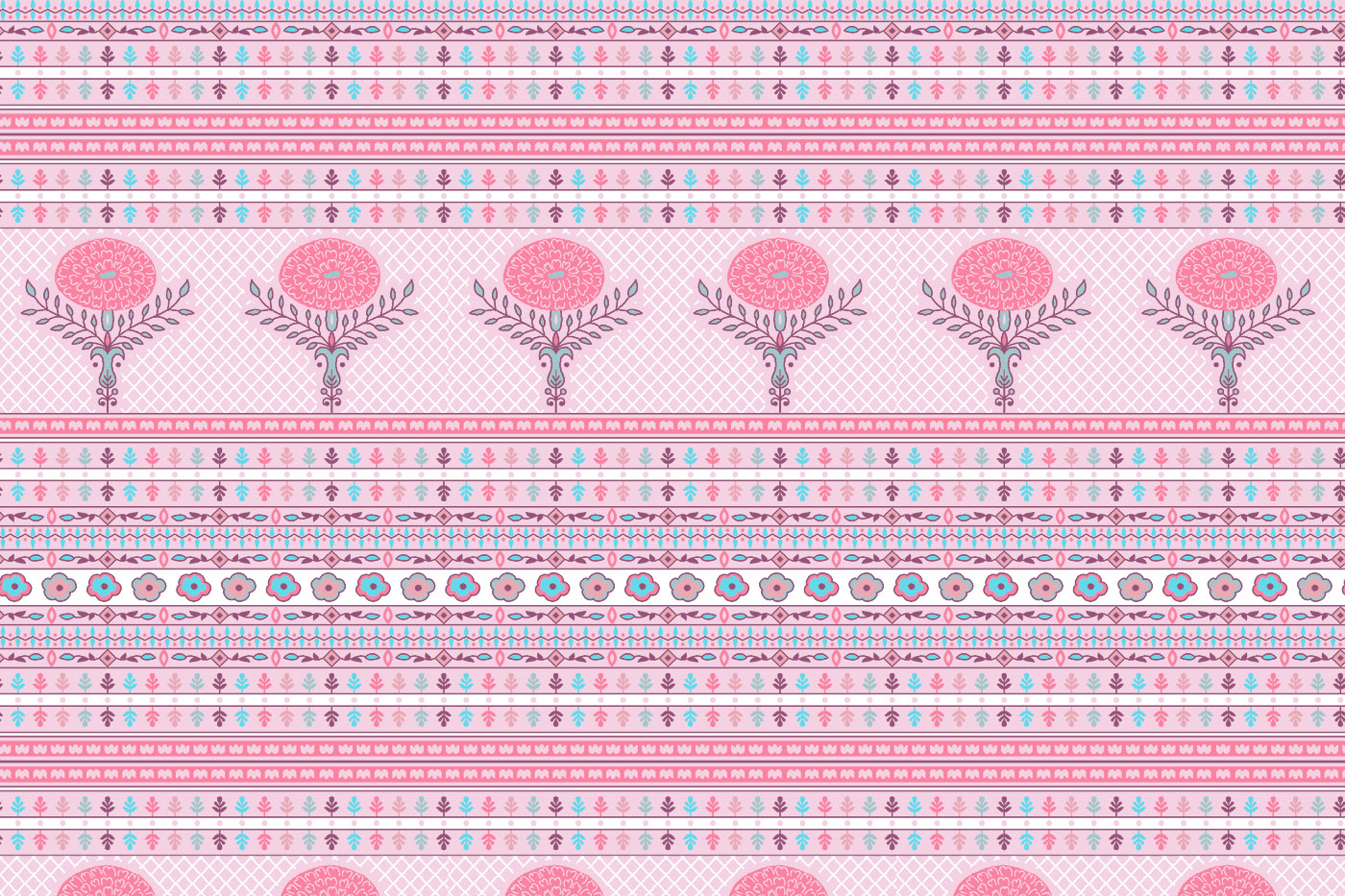
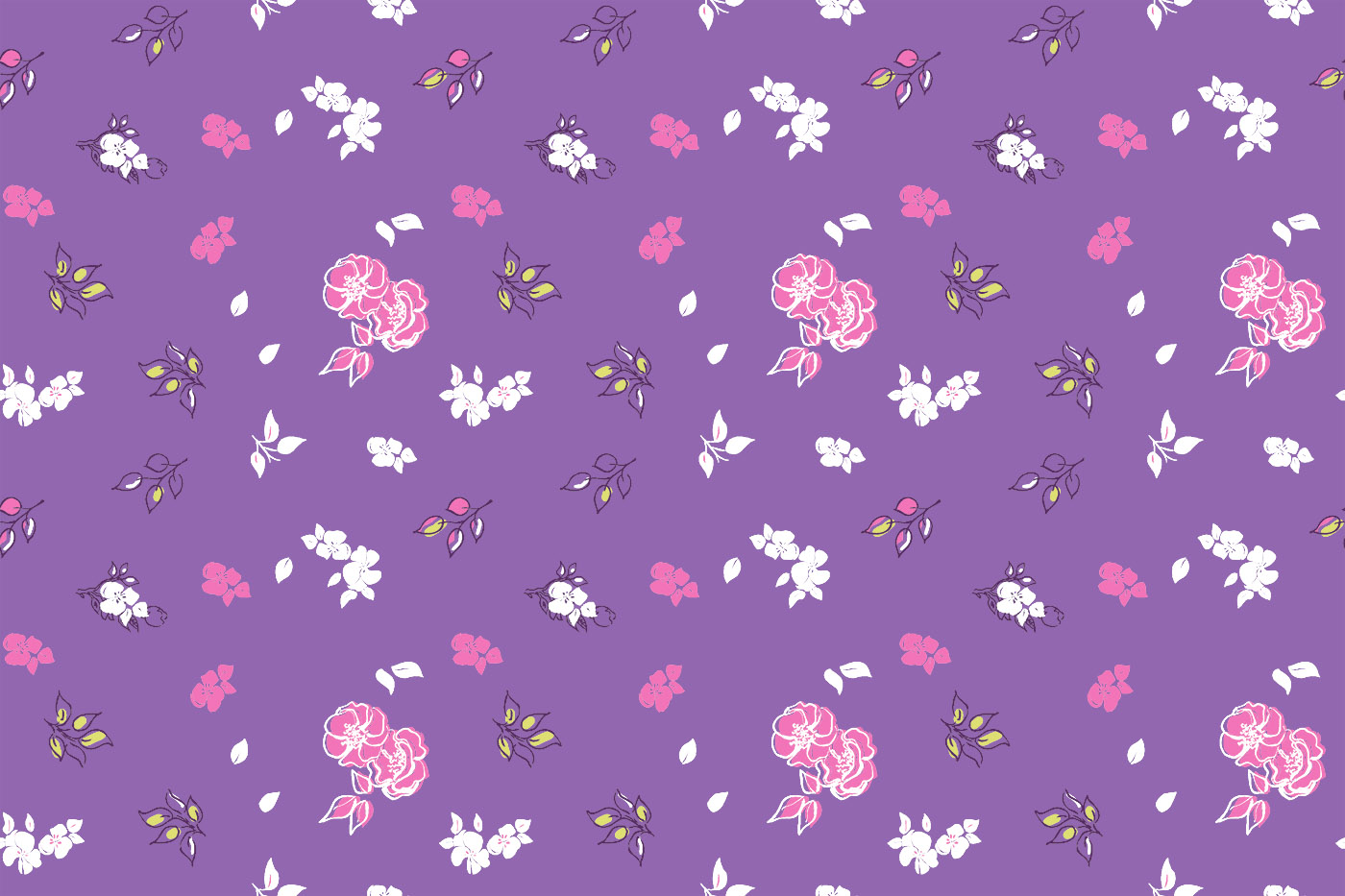
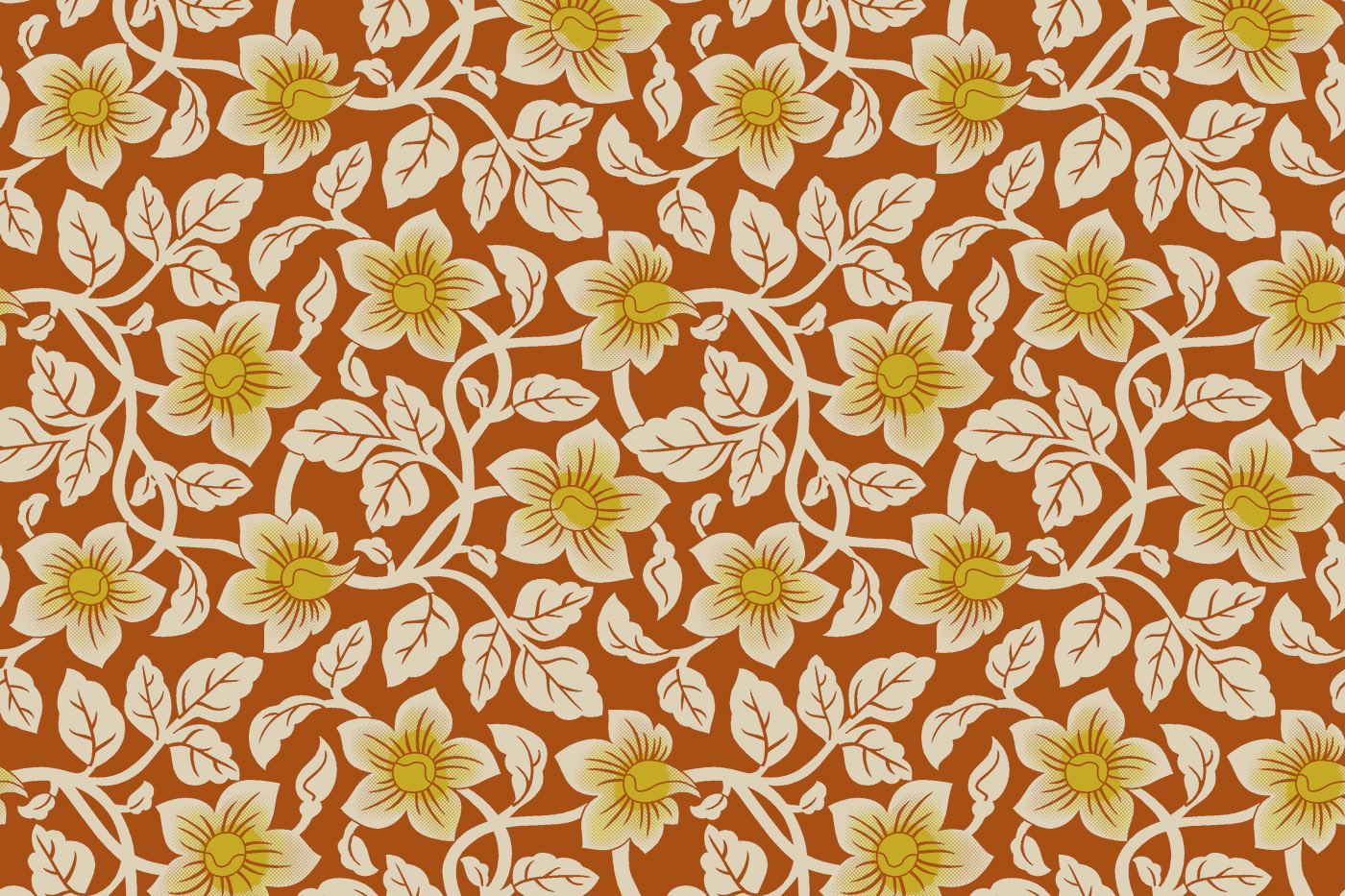
Explore Allover Print Textile Designs for Modern Fashion
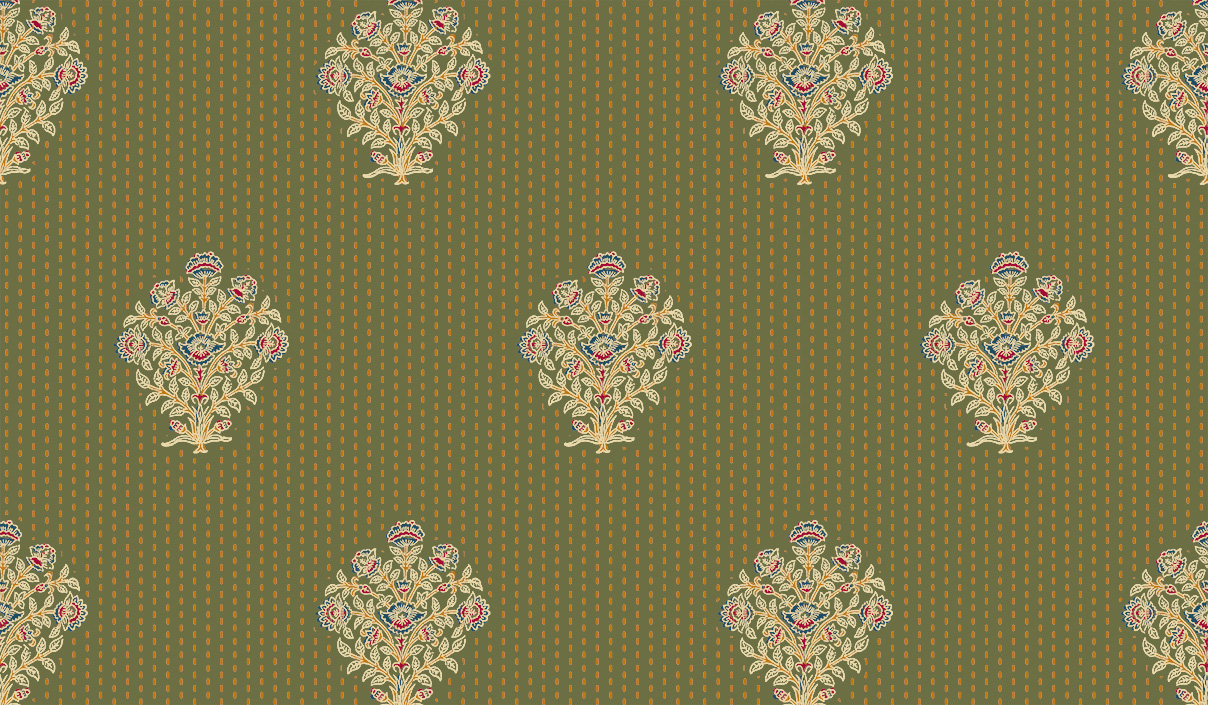
From floral buti repeats and paisley layouts to geometric, handcrafted and contemporary motifs, allover prints create a continuous visual surface across fabric. The right repeat structure keeps the pattern balanced, production-friendly and versatile across fashion collections.
Modern Linear Motion
Explore DesignOrganic Shape Repeat
Explore DesignContemporary Graphic Surface
Explore DesignAllover Botanical Form
Explore DesignExpressive Pattern Direction
Explore DesignAllover textile prints do not depend on a single recognizable motif. Their strength comes from rhythm, movement, texture, contrast and the relationship between positive and negative space.
Allover print design can combine brush marks, fluid curves, broken lines, geometric fragments, painterly textures and simplified botanical forms. That flexibility makes allover patterns useful across contemporary fashion, casual apparel, statement garments and fabric collections.
In textile design, alloverion is not random decoration. The designer controls scale, direction, density, repeat boundaries and colour relationships so that the artwork remains visually balanced when it is printed continuously across fabric.
This guide explains how allover textile prints are developed, how visual rhythm affects fabric, and how production-ready allover patterns can support fashion designers, garment manufacturers, exporters and fabric printers.
What Makes an Allover Textile Print Work?
A strong allover print depends on repeat construction, motif spacing, scale, direction, colour balance and clean edge matching. The goal is a continuous fabric surface that feels intentional from every viewing angle.
✦
Repeat Rhythm
A successful allover pattern distributes motifs evenly enough to create flow without making the fabric look mechanically crowded or empty.
◈
Motif Scale & Spacing
Large, medium and small motifs can be combined to create hierarchy. Controlled spacing helps the print read clearly on both fabric and finished garments.
▦
Seamless Repeat Behaviour
Straight, half-drop, brick, mirror and other repeat structures change how motifs travel across the fabric. Edge matching is essential for uninterrupted printing.
◉
Colour Balance
A coordinated base, motif palette and contrast level determine whether an allover print feels soft, heritage-inspired, vibrant or contemporary.
How an Allover Textile Print Is Developed
Allover surface design is developed by building a repeat system around motif placement, spacing, scale and colour rather than treating each fabric area as a separate illustration.
1
Choose the Motif Direction
Select the visual language—floral, buti, paisley, geometric, botanical, block-inspired or contemporary—before building the repeat.
2
Build the Motif Family
Create a coordinated set of hero, supporting and filler motifs so the pattern has variety without losing visual unity.
3
Plan Scale & Spacing
Test motif size, gaps and density at actual fabric scale. The same artwork can feel delicate or bold simply by changing its repeat size.
4
Construct the Seamless Repeat
Build a clean repeat using straight, half-drop, brick, mirror or another suitable structure. Check every edge before final export.
5
Develop Colourways
Create controlled colour versions for seasonal, commercial and premium directions while keeping motif contrast readable.
6
Prepare Production Artwork
Organise layers, channels or vector elements where available so colour and scale adjustments remain practical for textile production.
7
Test on Fabric Scale
Preview the pattern on the intended fabric width and garment application to check density, motif visibility and repeat behaviour.
8
Release the Final Print
After artwork, repeat and colour are approved, export the required production files for sampling or bulk fabric printing.
The Allover Print Workflow at a Glance
A simple production map from the first ornamental motif decision to a fabric-ready repeat.
Concept
→
Motif Family
→
Scale
→
Spacing
→
Colourway
→
Seamless Repeat
→
Fabric Sample
→
Production
The final fabric appearance depends on motif scale, repeat size, fabric width, printing method, colour limits and the intended garment or home-textile application.
Allover Print Colourways: 6 Bright & Fashion-Forward Directions
Bright colour stories can refresh traditional repeat structures and make one allover artwork suitable for multiple seasonal collections. These six directions are visual starting points for contemporary textile development.
Coral PopAO-01 · Energetic · Bright coral for youthful fashion repeats
Cobalt BlueAO-02 · Bold · Clean saturated blue for graphic allovers
Chartreuse LimeAO-03 · Fresh · High-energy green for modern surface prints
Vivid VioletAO-04 · Artistic · Rich violet for expressive fashion collections
Sunshine YellowAO-05 · Optimistic · Warm yellow for festive and statement prints
Aqua TurquoiseAO-06 · Contemporary · Fresh aqua for modern seasonal textiles
Colour direction only. Final production shades should be approved on the selected fabric and against the printer or dye-house colour standard.
The Design Structure Behind Allover Textile Prints
An allover print succeeds when the motifs connect visually across the full fabric surface. Placement, scale, spacing, direction and negative space work together to prevent obvious gaps or accidental clusters.
ALLOVER TEXTILE · REPEAT STRUCTURE
- Hero motif placement — Use a clear primary motif while supporting it with smaller elements that keep the surface connected.
- Spacing & negative space — Maintain enough breathing room between motifs so the fabric reads as designed rather than overcrowded.
- Scale variation — Combine different motif sizes to create hierarchy and make the repeat feel richer and less mechanical.
- Directional flow — Rotate, mirror or stagger selected motifs to create movement while keeping the repeat structurally clean.
- Edge continuity — Connect motifs at the repeat boundaries so the pattern flows naturally across fabric width and length.
Why Allover Prints Are So Useful in Fashion
Allover prints give a collection a consistent visual identity across the full fabric. By changing motif scale, repeat size or colourway, one design direction can move from subtle everyday apparel to bold festive and statement fashion.
For manufacturers and designers, a well-built allover repeat is efficient because the same surface system can be used across kurtis, dresses, shirts, co-ords, dupattas, scarves and coordinated textile products.
Kurtis & Ethnic Sets
Floral, buti, paisley and handcrafted-inspired repeats for everyday and festive collections.
Dresses & Co-ords
Larger-scale allover patterns for contemporary silhouettes, resort wear and fashion capsules.
Dupattas & Accessories
Continuous motifs that translate naturally across dupattas, scarves, stoles and coordinated accessories.
Allover Prints for Modern Textile Production
Production-ready allover artwork is valuable because the repeat can be tested, recoloured and scaled for different fabrics and manufacturing requirements without rebuilding the complete surface design.
Allover Fashion Applications
- Kurtis, salwar suits and ethnic sets
- Dresses, shirts, jackets and co-ord sets
- Dupattas, scarves and stoles
- Kidswear and casual fashion
- Festive, resort and seasonal collections
- Private-label and export apparel
Supporting Textile Applications
- Continuous fabric printing
- Bedsheets and pillow covers
- Cushion and curtain fabrics
- Table linen and soft décor
- Wallpaper and surface design
- Sampling and repeat development
300 DPIHigh-resolution option on applicable files
PSDLayers & editable channels on applicable designs
SeamlessRepeat-ready patterns for continuous fabric
RGB / CMYKColour profiles on applicable production files
Ready-to-Print Allover Designs — Faster Sampling, Cleaner Fabric Repeats
Developing a commercial allover print from scratch can involve motif drawing, repeat construction, spacing tests, colourway development and production preparation. A ready-made repeat can reduce much of that setup work.
Explore the Allover Print collection for current textile patterns and production-ready design options.
For custom textile design requests, DesignShatter currently lists Standard Delivery at 7–10 working days, Express at 3–5 working days, and Urgent / Fast Track at 1–2 working days, depending on the selected requirement.
Current DesignShatter Offers: Buy 3 Designs & Save 25% — Use Code DSBUY3SAVE25 • New User? Get 10% OFF — DSWELCOME20 • Buy 3+ Designs & Save 50% — FREEDOM50
Allover Print Designs for Your Next Fashion Collection
Explore seamless textile artwork built for continuous fabric coverage and choose a repeat direction that fits your collection, fabric surface or coordinated garment range.
Floral Allover Repeat
Explore Allover PrintsButi Allover Pattern
Explore Allover PrintsPaisley Allover Repeat
Explore Allover PrintsGeometric Allover Surface
Explore Allover PrintsAllover Textile Print — Frequently Asked Questions
What is an allover textile print?
An allover textile print is a repeating surface pattern designed to cover fabric continuously, rather than being limited to one specific garment placement.
What is the difference between an allover print and a placement print?
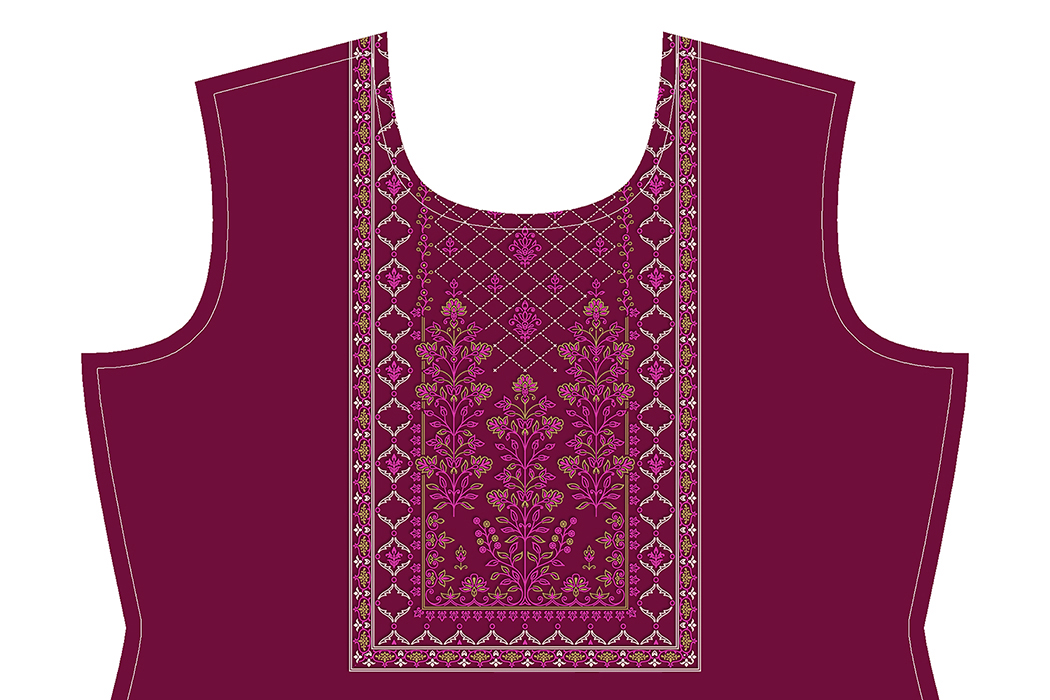
An allover print repeats across the fabric surface, while a placement print is engineered for a specific garment area such as a front, yoke, sleeve or panel.
Which motifs work well in allover prints?
Floral, buti, paisley, geometric, botanical, abstract, handcrafted and ornamental motifs can all work well when their scale and spacing are designed for repetition.
Can allover designs be seamless?
Yes. A seamless repeat is constructed so the edges connect cleanly, allowing the pattern to continue across the fabric without visible breaks.
Why does motif spacing matter?
Spacing controls density, readability and visual rhythm. Too little space can make a fabric feel crowded, while excessive gaps can weaken the continuity of the surface.
Can an allover print be recoloured?
When the artwork includes editable layers, channels or vector elements, colourways can generally be adjusted more efficiently. Exact editability depends on the individual file.
Latest Post


