

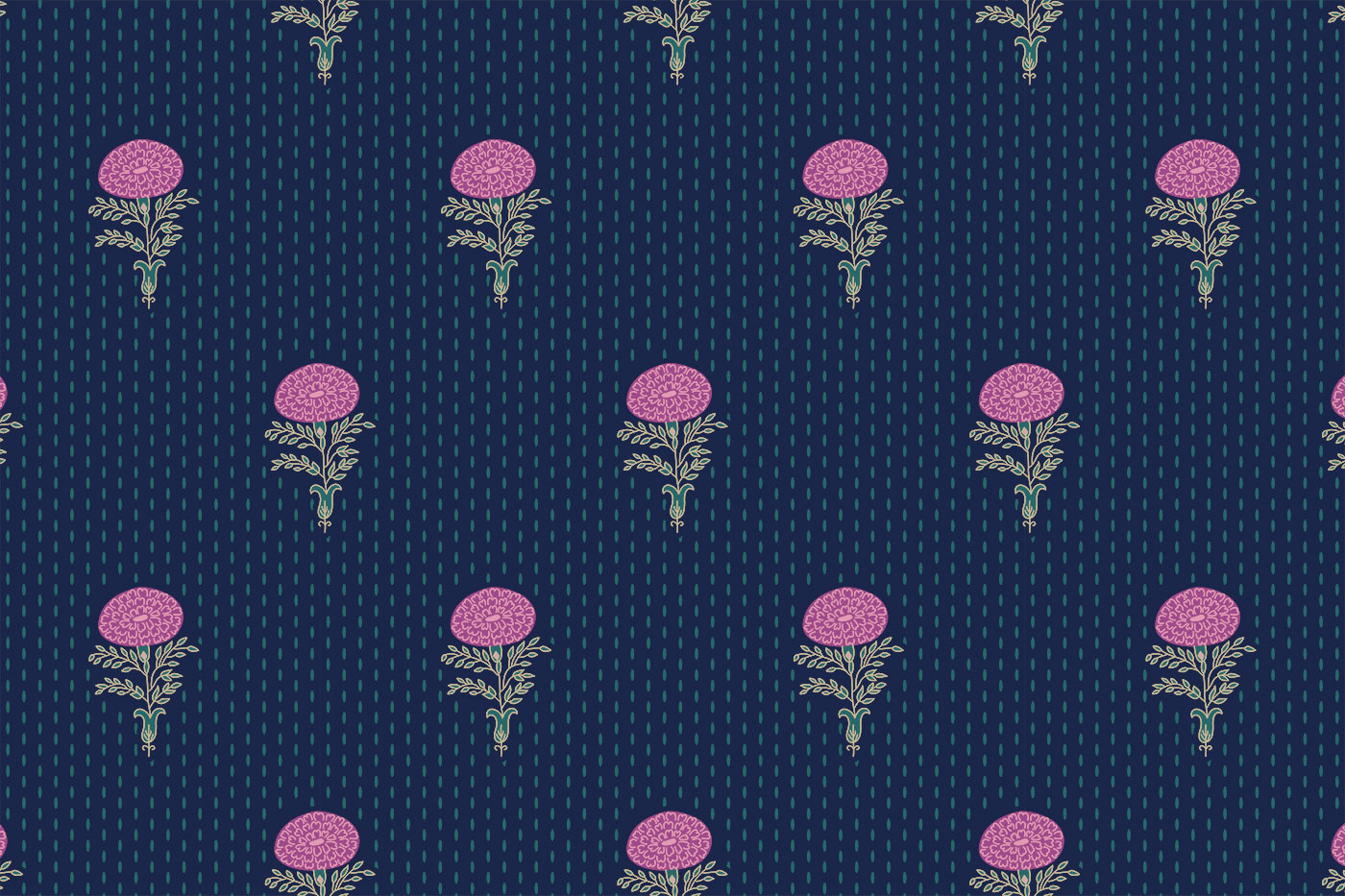

Buti Print Designs: Small Motifs, Traditional Patterns & Textile Applications
Explore Buti Print Designs
Production-ready Buti print designs for fashion, fabric printing and contemporary collections — featuring small floral, paisley, botanical, geometric and traditional motifs arranged as refined scattered and repeat patterns.
What if tiny tied points could transform a plain fabric into a rhythm of dots, waves, grids and colour?
Small flowers. Paisley butis. Leaves. Geometric mini motifs. Botanical sprigs. Buti prints bring these individual elements together through controlled spacing, repetition and scale, creating a surface that can feel delicate, balanced or richly ornamental.
A Buti print is built around individual small motifs, often floral, botanical, paisley, geometric or ornamental, that are repeated or scattered across a textile surface. The motif itself remains visually distinct, while the spacing and rhythm between motifs create the overall character of the fabric.
This article explores the visual language of Buti prints, how small motifs are developed and repeated, how spacing and scale influence the fabric surface, and how production-ready digital Buti patterns can be applied across fashion, garments, accessories and home textiles.
What Makes Buti Prints Different?
Four defining characteristics help distinguish Buti prints from dense all-over patterns and large statement motifs.
◆
Motif Clarity
A strong base colour helps small motifs remain visible across the fabric ground. Deep blue, maroon, black, green, rust, mustard and neutral grounds can all create different Buti moods.
◈
Controlled Spacing
Motif placement, scale and spacing determine how a border flows across the fabric. Small repeating units create a refined edge, while larger motifs create a statement border suitable for sarees, dupattas, panels and statement garments.
▣
Repeat Rhythm
Traditional Indian border languages often work with rich, contrasting colour stories, while contemporary textile collections can reinterpret the same motifs through pastels, neutrals, monochromes and fashion-forward colourways.
☰
Small-Scale Motif Language
Buti prints are recognised by their compact motif composition. Common visual directions include floral vines, paisley, leaves, geometric bands, stripes, arches, folk figures, buti arrangements and ornamental separators.
How Buti Print Designs Are Developed — The Journey of the Artwork
A Buti print is developed through a structured motif and repeat workflow. The exact process varies by design style and production method, but the following stages explain how a small motif can move from concept to production-ready textile artwork.
1
Define the Application
The project begins with the intended fabric, garment area and final use in mind. The designer considers fabric width, motif scale, repeat size, density and whether the Buti will be used as an all-over surface, a lighter scatter, a placement area or a coordinated textile set.
2
Select the Buti Motif
A motif direction is selected and the primary Buti family is established. Floral, paisley, botanical, geometric, folk or ornamental elements can be simplified into a compact motif that remains clear after printing.
3
Refine the Motif
The individual Buti is refined for shape, proportion and visual clarity. Small leaves, petals, dots, stems, outlines or secondary details are controlled so the motif remains readable at the intended production scale.
4
Build the Repeat
The motif is placed into a repeat or scatter layout. Spacing can be regular, staggered, diagonal, grid-based or intentionally organic depending on the desired textile character.
5
Develop Colourways
Colourways are developed after the motif structure is stable. Background, motif and accent colours are balanced so the small Buti remains visible without becoming too heavy across the fabric.
6
Check Scale & Spacing
The pattern is checked at actual repeat size and at garment scale. This stage helps identify motifs that are too small, crowded areas, awkward gaps or inconsistent spacing before final delivery.
7
Clean the Artwork
The final repeat is cleaned, aligned and prepared for production. Motif edges, joins, overlaps, spacing and colour separations are inspected so the Buti pattern reproduces consistently in the chosen printing workflow.
8
Prepare the Production File
If multiple colourways or alternate versions are required, the same master Buti artwork can be separated into editable colour groups. This makes it easier to prepare coordinated versions for different fabrics, seasons or garment collections.
The Buti Print Design Journey at a Glance
A simplified visual summary of the design sequence that transforms an initial small motif idea into a finished, repeat-ready Buti print.
Define Use
→
Choose Motif
→
Draw Buti
→
Create Repeat
→
Add Colourways
→
Check Scale
→
Proof Pattern
→
Prepare File
→
Finish
→
Buti Print
A production border workflow typically moves through concept, motif development, directional arrangement, repeat construction, colour development, proofing and final production preparation.
Buti Print Colour Palettes — Heritage Tones & Contemporary Colourways
Buti prints can support almost any colour direction because the motif structure can be adapted across many textile palettes. Heritage-inspired collections often use indigo, maroon, rust, mustard, green, black and cream, while contemporary ranges may use pastels, neutrals and monochromatic palettes.
Blue
Deep blue creates a strong base for floral, botanical and geometric Butis and works particularly well with lighter motif accents.
Untie / Madder
Red and maroon create a rich festive direction and work well with floral, paisley and ornamental Butis.
Green & Maroon
Green, rust, mustard and maroon can be combined with cream or lighter accents to create an earthy Indian textile palette.
Yellow & White
Mustard, yellow, ivory and white can be used as highlights, separators or motif fills to keep a detailed border visually open.
The Precision Behind a Strong Buti Print
A successful Buti print depends on controlled spacing, repeat accuracy, motif scale and clear motif definition.
Motif → Finish → Jaal → Border
- Small motif scale — the Buti remains compact enough to repeat gracefully across fabric.
- Controlled spacing — the distance between motifs creates the visual rhythm of the surface.
- Motif clarity — petals, leaves, paisleys and geometric details remain readable at production size.
- Repeat balance — the pattern avoids accidental clustering or large empty gaps.
- Colour separation — editable colour groups make alternate colourways easier to prepare.
Why Buti Print Design Requires Precision
Buti prints require precision because even small changes in motif size or spacing become visible when the pattern repeats across a large fabric surface. Motif proportion, repeat distance, negative space and colour separation must remain controlled.
This precision is what allows a Buti pattern to feel balanced rather than random. Production-ready digital artwork can preserve that structure while giving designers editable colourways and repeat-ready files for sampling and manufacturing.
Buti Prints Today — From Heritage Motifs to Modern Textile Design
Buti prints remain useful across traditional clothing and contemporary fashion because their small motifs can be scaled, spaced and recoloured for different fabrics. Their linear structure makes them especially adaptable to sarees, dupattas, kurtis, dresses, sleeves, necklines and home-textile accents.
Traditional & Fashion Uses
- Sarees & Dupattas
- Lehengas & Ethnic Apparel
- Stoles & Scarves
- Turbans & Accessories
Modern Textile Applications
- Buti-inspired repeat patterns
- Garment panels and placement designs
- Home textiles and accessories
- Contemporary surface design and digital textile printing
Ready-to-Print Buti Designs — Time and Cost Saved
Recreating a detailed Buti textile pattern digitally can require motif drawing, repeat development, spacing adjustments and multiple colourway preparations. A ready-made production-oriented repeat can reduce artwork preparation before sampling.
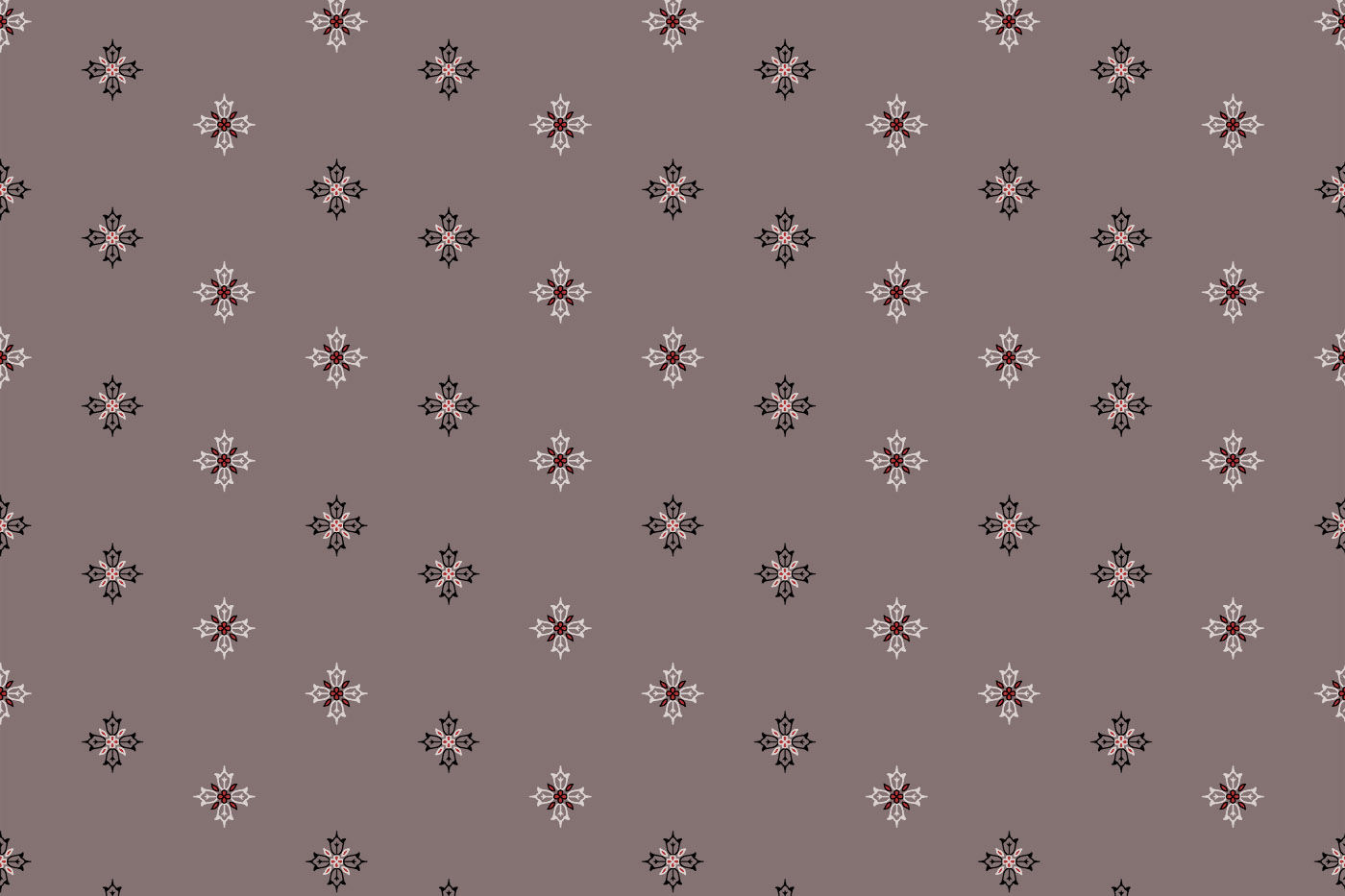
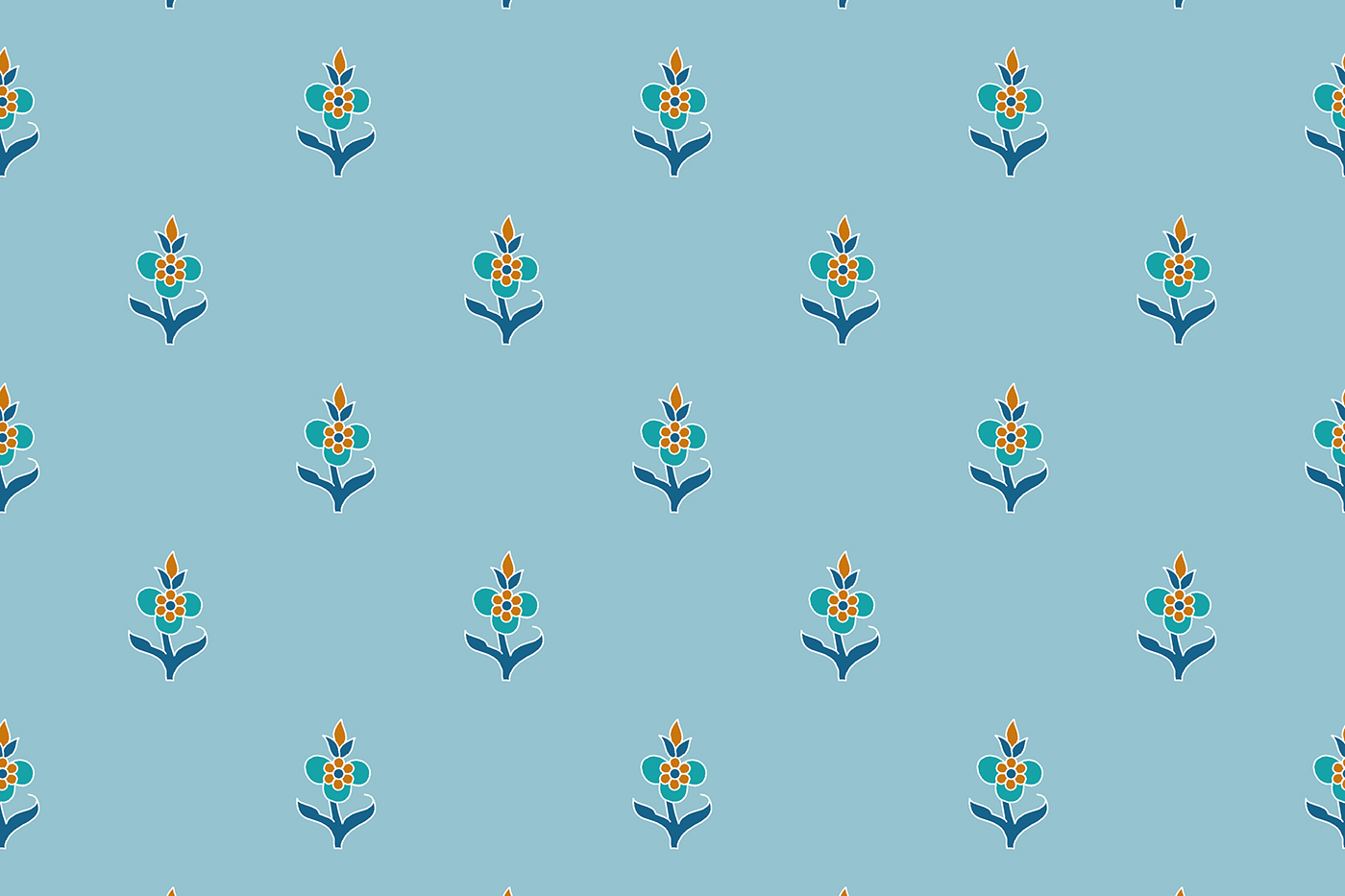
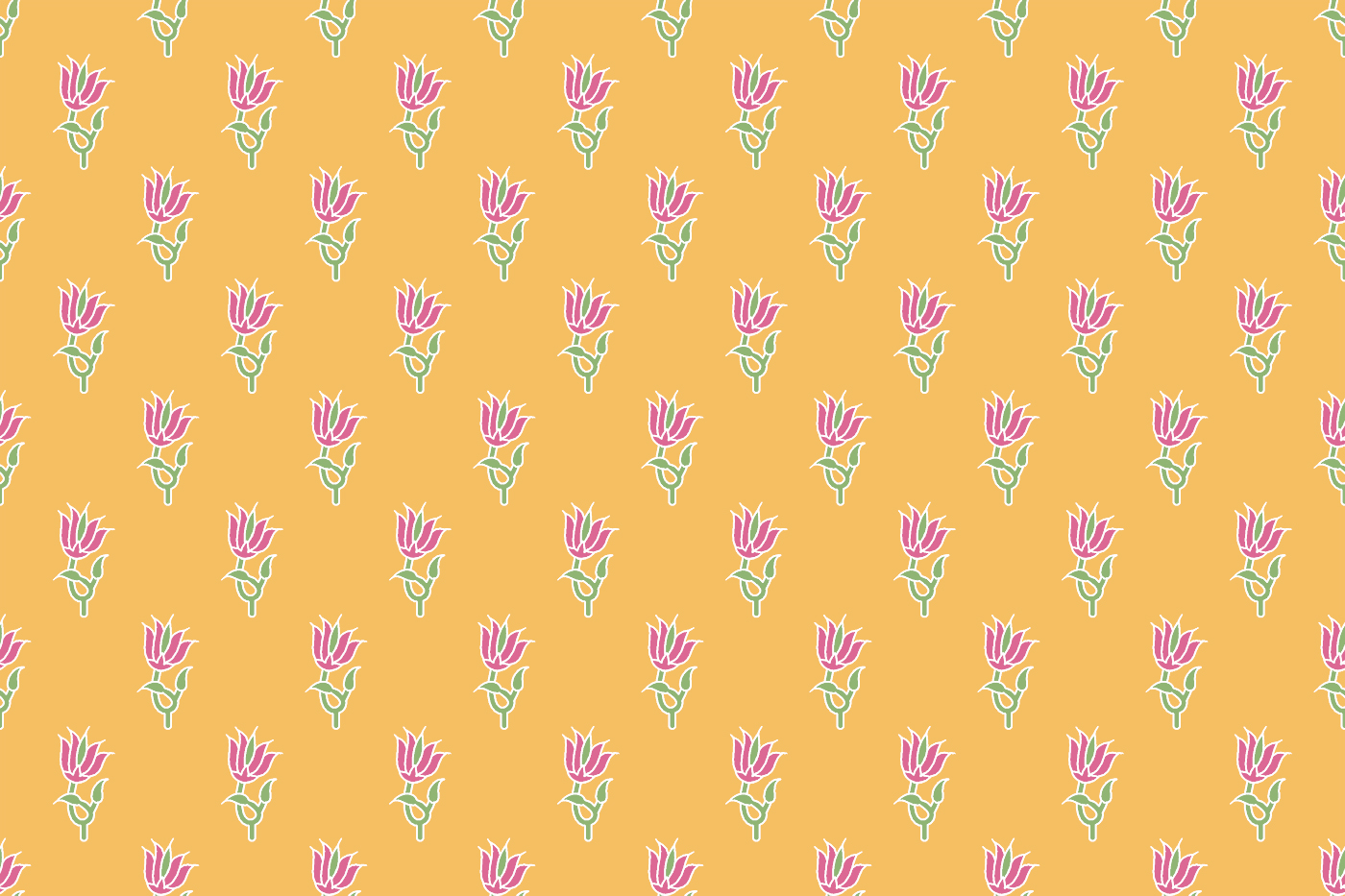
DesignShatter's Buti Prints collection includes digital textile patterns for modern textile workflows. Current product pages specify details such as PSD format, 300 DPI resolution, seamless repeat, RGB/CMYK profiles and editable channels where applicable.
Using a ready-to-print border can help designers move faster from inspiration to sampling. Individual product specifications should be checked on the relevant DesignShatter product page before production, including file type, resolution, repeat size, channels and usage terms.
Border Directional textile structure
300 DPI Print-ready product option
PSD Editable design format on applicable listings
Repeat Seamless options on applicable designs
Buti Print Designs for Modern Textile Projects
Looking for Buti print designs that are already production-ready?
Frequently Asked Questions
What is a Buti Print?
A Buti print is a textile pattern built around small individual motifs, often floral, botanical, paisley, geometric or ornamental. The motifs may be repeated or scattered across the fabric to create a balanced surface pattern.
What does Buti mean in textile design?
In textile design, Buti generally refers to a small decorative motif used as an individual repeat or scattered design element. The motif can be simple or highly detailed depending on the textile tradition and intended scale.
What motifs are commonly used in Buti Prints?
Common directions include small florals, leaves, paisley or buta forms, botanical sprigs, geometric motifs, dots, stars and ornamental miniatures. DesignShatter’s collection includes floral, geometric and traditional Buti-style patterns.
How is a Buti Print designed?
The process normally starts with a small motif, followed by refinement, scale testing, spacing decisions, repeat construction, colourway development, proofing and final production preparation.
What is the difference between Buti and Buta?
Usage varies across textile traditions and markets, but Buti commonly refers to a smaller individual motif, while Buta is often used for a larger or more prominent motif. The distinction is not universal and can vary by regional terminology.
What colours work well for Buti Prints?
Buti prints can use traditional Indian colour combinations such as indigo, maroon, rust, mustard, green, red and cream, as well as contemporary pastels, neutrals, monochromes and seasonal fashion palettes.
Where can Buti Prints be used?
Buti prints can be used for sarees, kurtis, suits, dupattas, dresses, shirts, scarves, skirts, home textiles, cushions, curtains and other fabric products where a repeat motif surface is required.
Are Buti Prints suitable for seamless textile printing?
Yes, a Buti motif can be arranged into a seamless repeat for continuous fabric printing. Individual DesignShatter product pages should be checked for the exact repeat size, file type, resolution and production specifications.
Are editable Buti Print files available?
Current DesignShatter Buti product pages include PSD files with organized editable channels, 300 DPI high-resolution output and seamless repeat information on the verified listings used in this article.
Latest Post


