

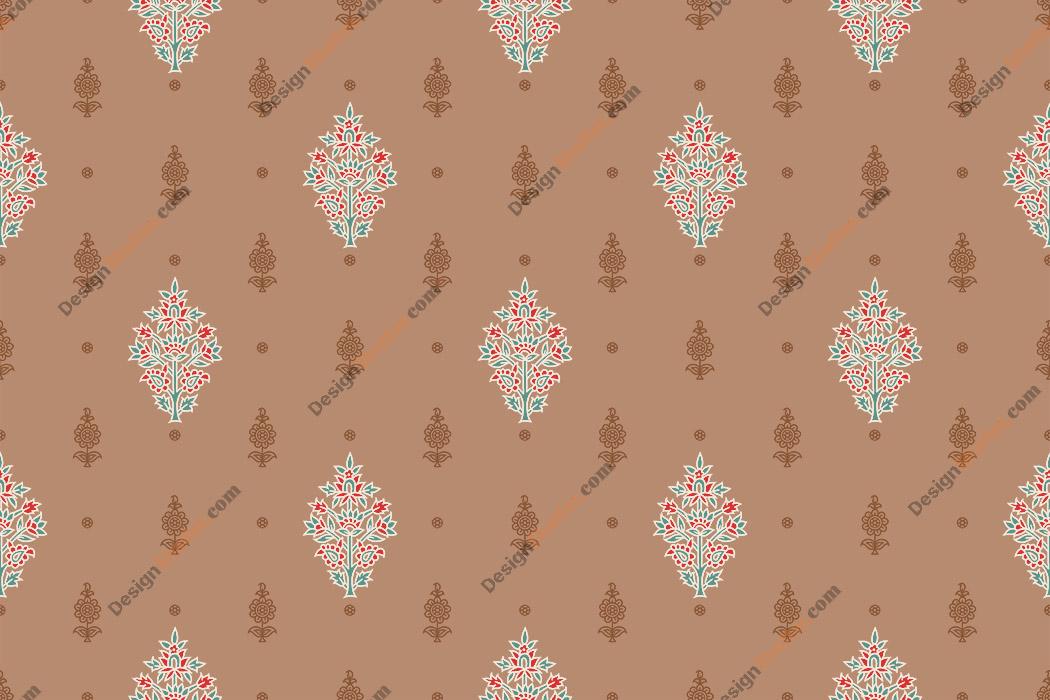

Madhubani Print: The Art of Mithila in Modern Textile Design
```html
Explore Madhubani Print Designs for Modern Fashion
Discover Madhubani-inspired textile prints featuring expressive figures, folk storytelling, birds, fish, flowers, trees, geometric borders and traditional Indian decorative elements reinterpreted for modern fashion, fabric printing and contemporary textile collections.
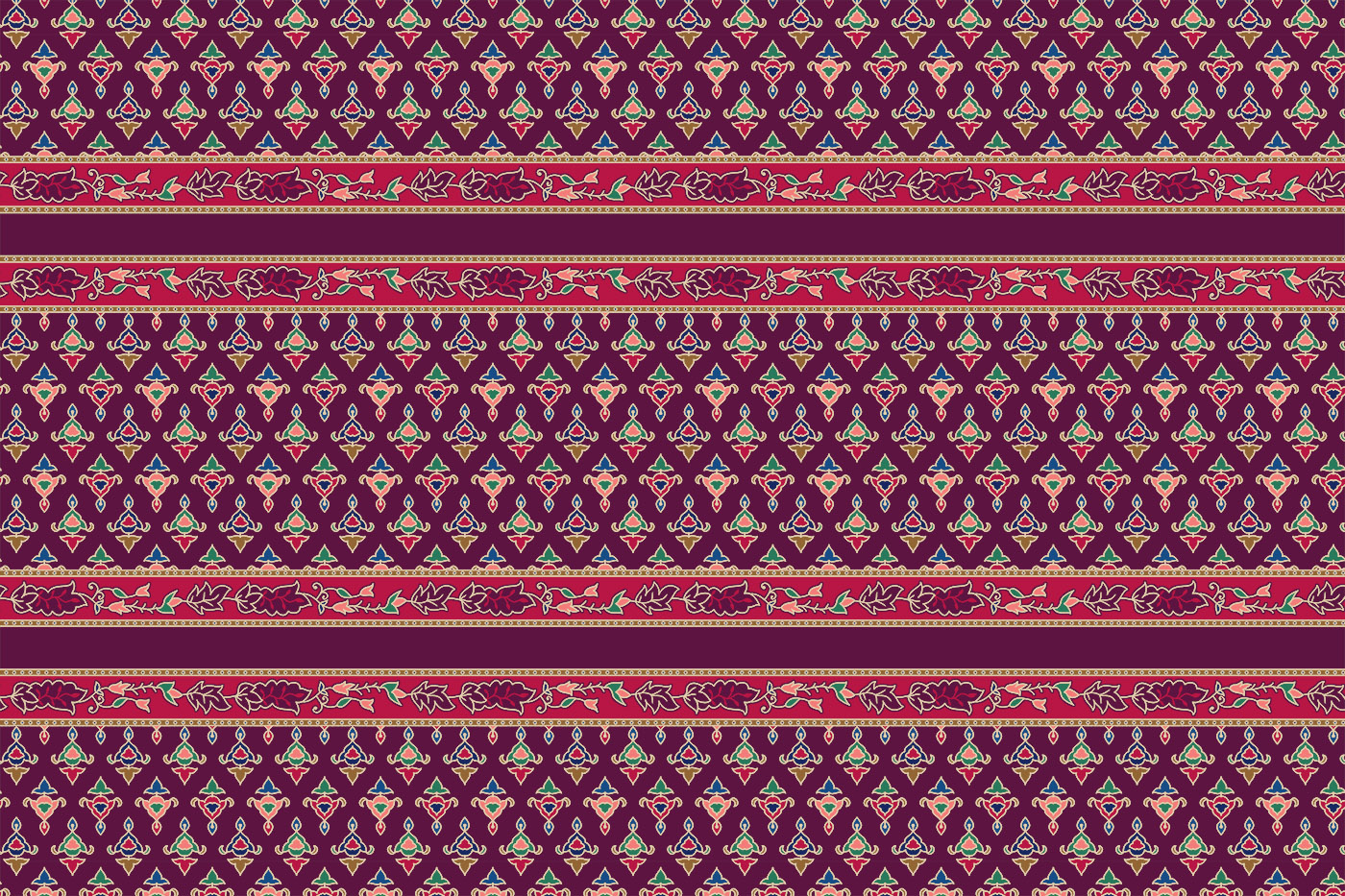
Madhubani Floral Composition
Explore Design →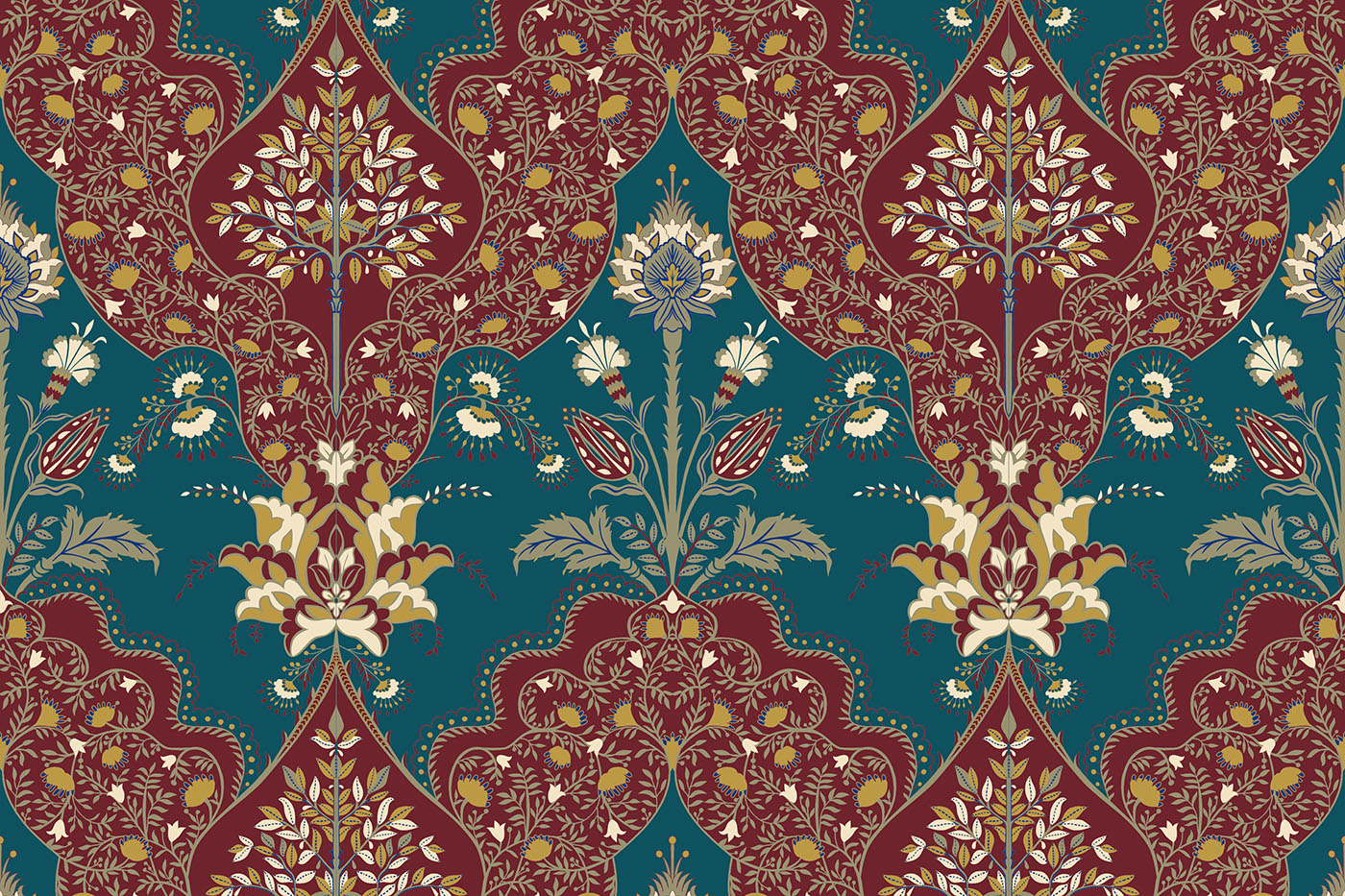
Bird & Nature Motifs
Explore Design →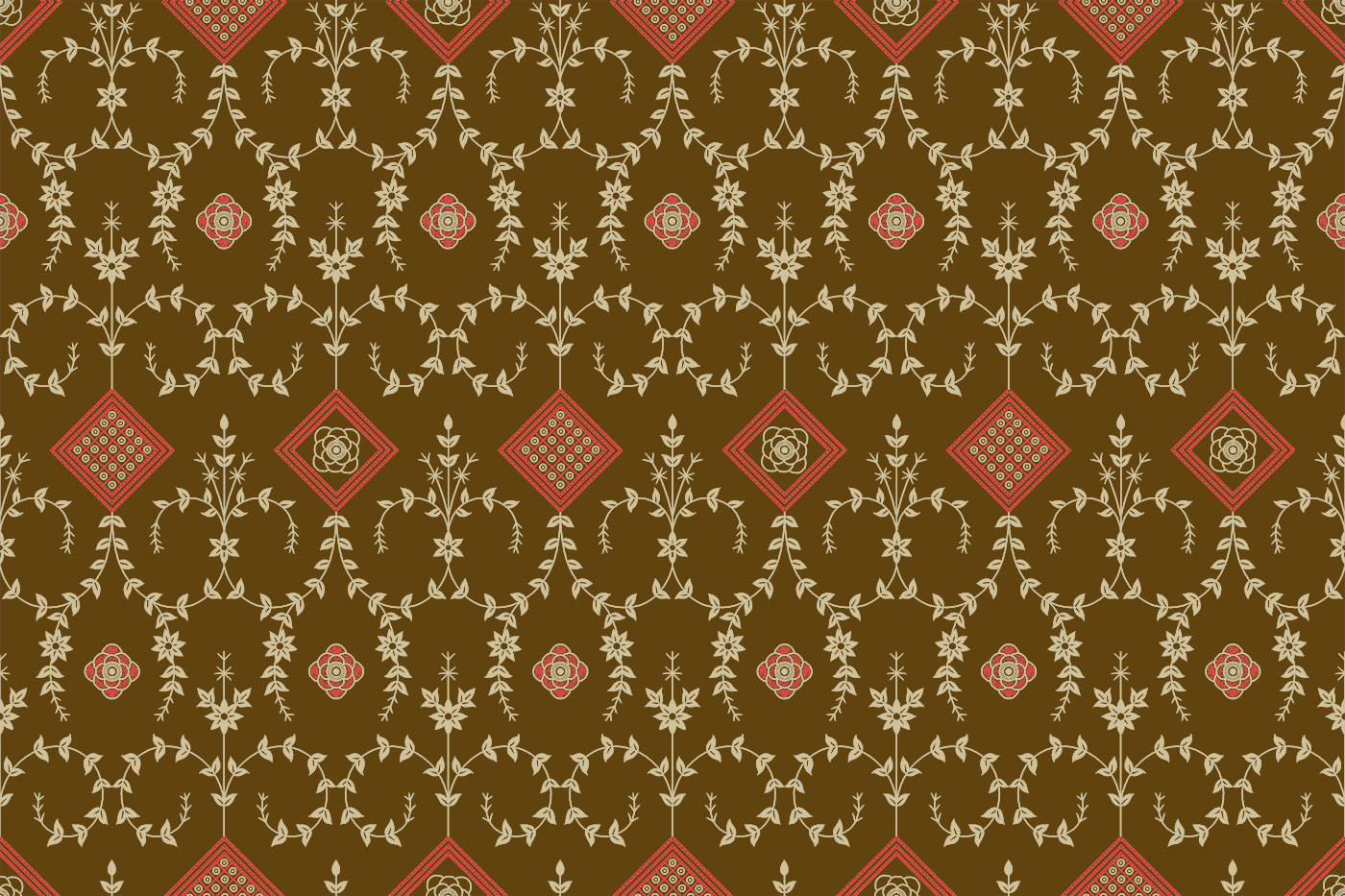
Traditional Fish Motifs
Explore Design →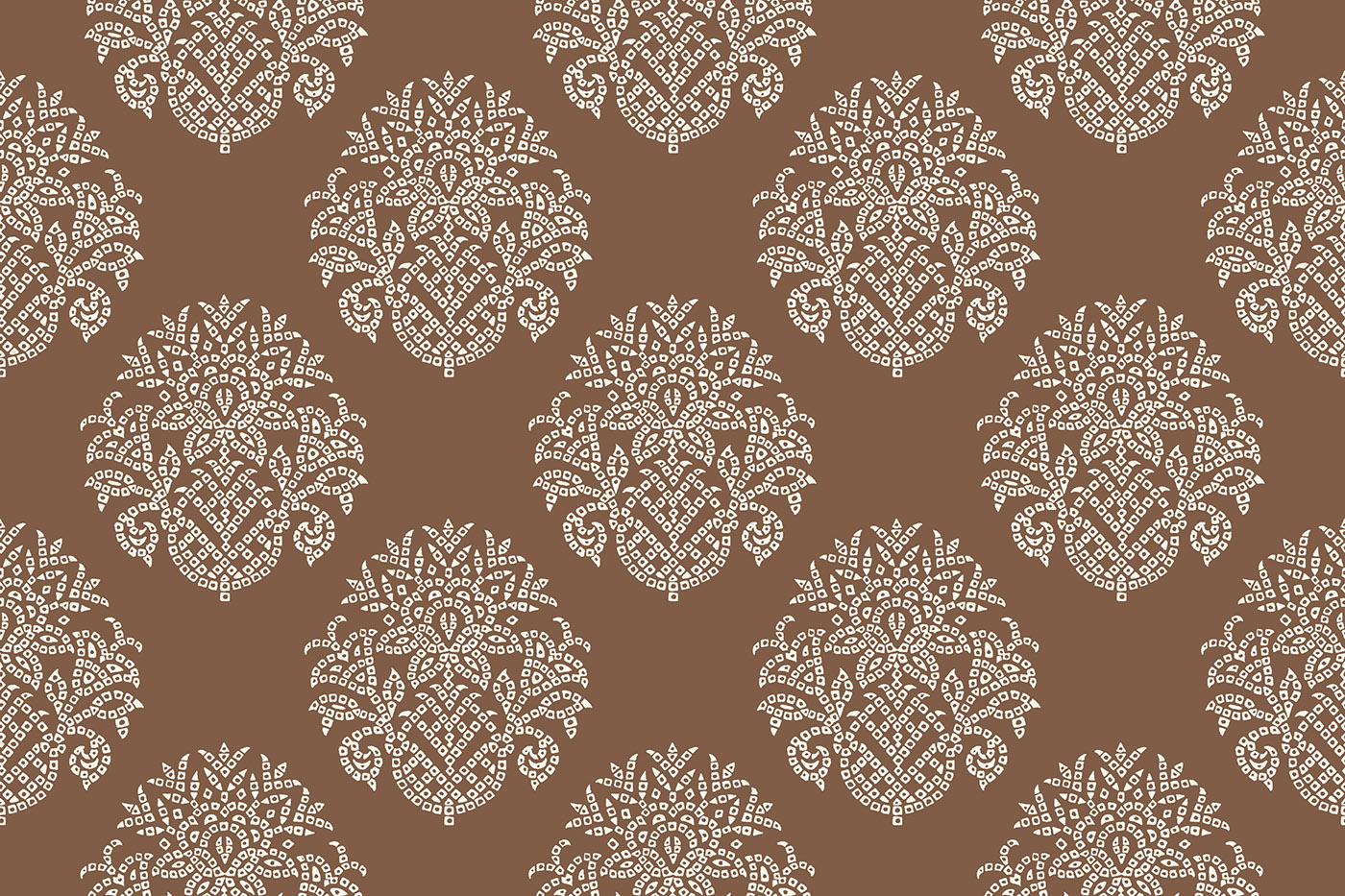
Decorative Border Forms
Explore Design →Modern Madhubani Surface
Explore Design →Madhubani print brings the visual language of Indian folk art into contemporary textile design through expressive lines, symbolic motifs, decorative borders and dense ornamental compositions.
Madhubani-inspired textile prints can combine birds, fish, flowers, trees, human figures, animals, sun motifs and geometric elements to create a highly recognisable Indian surface.
The strength of a Madhubani textile print comes from its detailed line work, repeated decorative forms and carefully controlled composition. These characteristics make the style suitable for fashion fabrics as well as coordinated textile collections.
For modern fashion, traditional Madhubani visual language can be adapted into seamless repeats, buti layouts, borders, panels, placement prints and larger allover compositions.
What Makes Madhubani Print Distinctive?
Madhubani-inspired textile design is recognised through strong line work, symbolic motifs, decorative detailing and a rich folk-art visual vocabulary.
✦
Expressive Line Work
Strong outlines and intricate internal detailing give Madhubani motifs their distinctive visual character.
◈
Folk Motifs
Birds, fish, flowers, trees, animals and human figures can be combined into decorative textile compositions.
❖
Decorative Borders
Repeated geometric and floral borders help frame the artwork and create strong textile placement possibilities.
✿
Rich Surface Detail
Dense patterns and carefully distributed details create a visually rich surface suitable for fashion textiles.
How a Madhubani Textile Print Is Developed
A commercial Madhubani-inspired textile print needs more than traditional motifs. The artwork must also work at fabric scale, repeat cleanly and remain practical for production.
1
Select the Madhubani Motif Direction
Choose the primary visual language such as floral, bird, fish, animal, botanical or narrative folk motifs.
2
Create the Motif Family
Develop hero motifs together with supporting flowers, leaves, fillers, dots and decorative elements.
3
Build the Line Detail
Add characteristic internal line work and decorative patterns without making the motif unreadable at fabric scale.
4
Plan the Composition
Arrange the motifs according to the intended application: allover, buti, border, panel or placement.
5
Develop Colourways
Create controlled colour combinations suitable for seasonal fashion, ethnic wear and contemporary collections.
6
Construct the Repeat
Convert the artwork into a clean seamless repeat where required for continuous textile printing.
7
Check Fabric Scale
Preview the design at actual fabric scale to ensure that fine Madhubani details remain visible.
8
Prepare Production Artwork
Organise editable artwork, channels and repeat elements for sampling and commercial textile production.
Madhubani Print Development Workflow
From traditional inspiration to a production-ready textile surface.
Madhubani Inspiration
→
Motif Family
→
Line Work
→
Composition
→
Colourway
→
Repeat
→
Fabric Test
→
Production
Madhubani Print Colourways
Traditional-inspired colour palettes can be adapted into commercial fashion colourways while retaining the visual character of Madhubani artwork.
The Design Structure Behind Madhubani Textile Prints
The traditional visual language can be adapted into modern textile structures without losing its decorative character.
MADHUBANI TEXTILE • FOLK SURFACE DESIGN
- Hero Motif — Build the composition around a clear primary Madhubani-inspired motif.
- Supporting Motifs — Add flowers, leaves, birds, fish and decorative fillers to connect the surface.
- Line Detail — Use controlled internal detailing to preserve the handcrafted visual identity.
- Border Structure — Decorative borders can frame panels, dupattas and garment sections.
- Repeat Continuity — When used as an allover print, motif edges must connect cleanly across the repeat.
Madhubani Prints for Modern Fashion
Fashion Applications
- Madhubani Kurti Prints
- Ethnic Dresses
- Salwar Suit Fabrics
- Dupatta & Scarf Designs
- Co-ord Sets
- Festive Collections
- Kidswear
- Contemporary Fusion Fashion
Textile Applications
- Allover Fabric Printing
- Buti Repeat Designs
- Border Prints
- Panel & Placement Prints
- Bedsheets & Home Textiles
- Cushion Fabrics
- Soft Décor
- Surface Pattern Collections
Ready-to-Use Madhubani Textile Designs
Creating a commercial Madhubani-inspired textile print from scratch can require motif development, detailed line work, composition planning, colourway creation and repeat preparation.
DesignShatter provides digital textile designs that can be used for fashion, fabric printing and surface-design development.
Explore the Madhubani collection for current textile design options.
Madhubani Print Designs for Your Next Collection
Explore traditional Indian-inspired textile artwork and develop it into contemporary fashion and fabric collections.
Madhubani Floral Print
Explore DesignsMadhubani Bird Motif
Explore DesignsMadhubani Folk Pattern
Explore DesignsMadhubani Decorative Print
Explore DesignsMadhubani Print — Frequently Asked Questions
What is Madhubani print?
Madhubani print is a textile interpretation of the visual language associated with Madhubani folk-art traditions, using decorative motifs, expressive line work, figures, nature elements and ornamental compositions.
Which motifs are commonly used in Madhubani-inspired prints?
Flowers, birds, fish, animals, trees, human figures, sun-inspired motifs, geometric elements and decorative borders are commonly adapted into Madhubani-inspired textile artwork.
Can Madhubani designs be used for fabric printing?
Yes. Madhubani-inspired artwork can be developed as allover repeats, buti patterns, borders, panels and placement prints for textile production.
Are Madhubani prints suitable for kurtis?
Yes. Madhubani-inspired motifs can be adapted for kurtis, ethnic sets, dresses, dupattas, co-ord sets and other Indian and fusion fashion products.
Can Madhubani artwork be made into a seamless repeat?
Yes. The artwork can be arranged into a seamless repeat when the motifs and composition are designed specifically for continuous fabric coverage.
Can Madhubani textile designs have multiple colourways?
Yes. Editable artwork can be recoloured into different commercial colour directions depending on the individual file structure and available layers or channels.
```
Latest Post


