

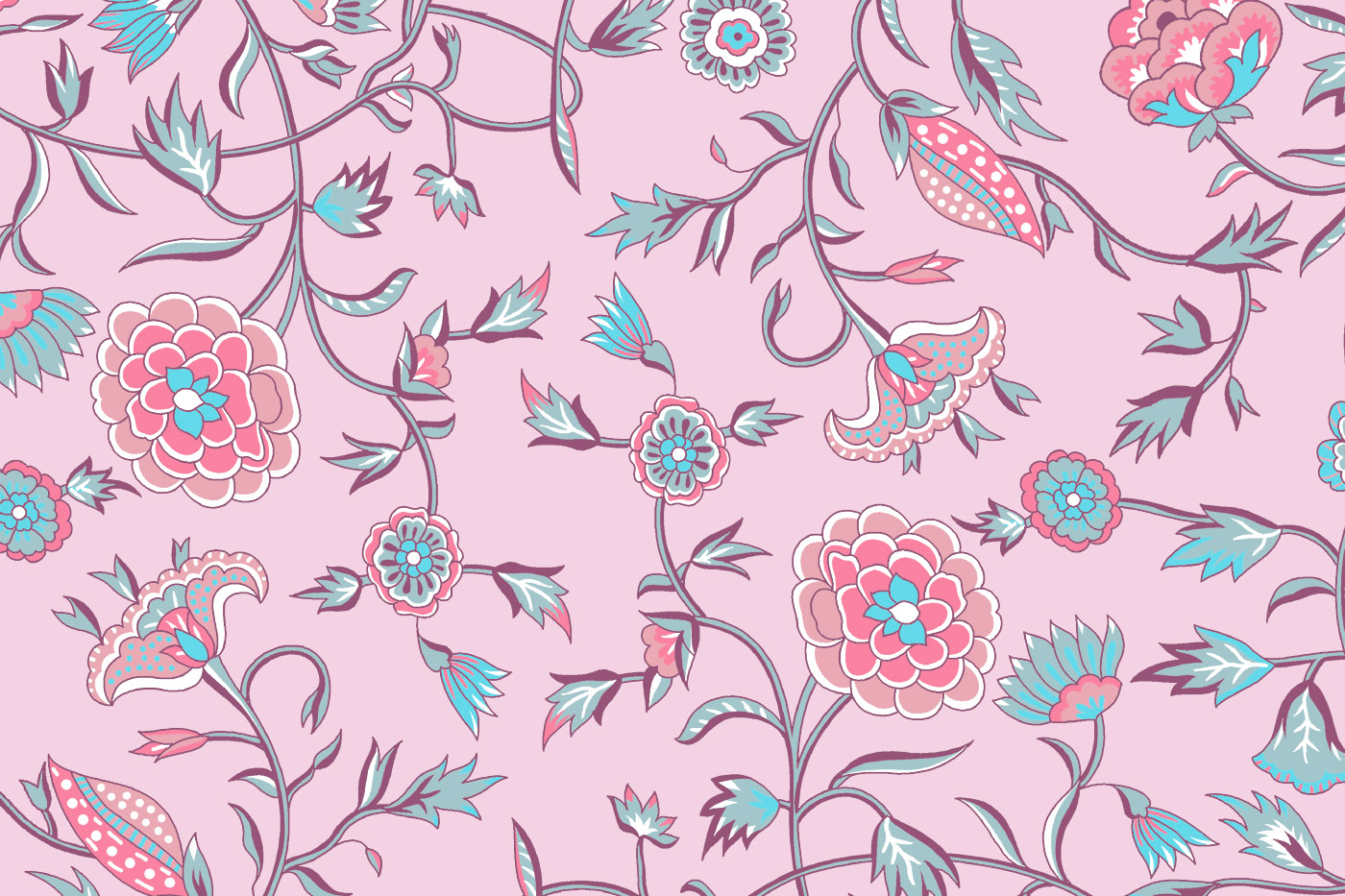

Abstract Textile Print Designs: Modern Patterns for Fashion & Fabric
Explore Abstract Textile Print Designs for Modern Fashion
From expressive brush strokes and fluid organic shapes to linear graphics and geometric repeats, abstract textile prints turn movement, texture and form into versatile fashion surfaces.
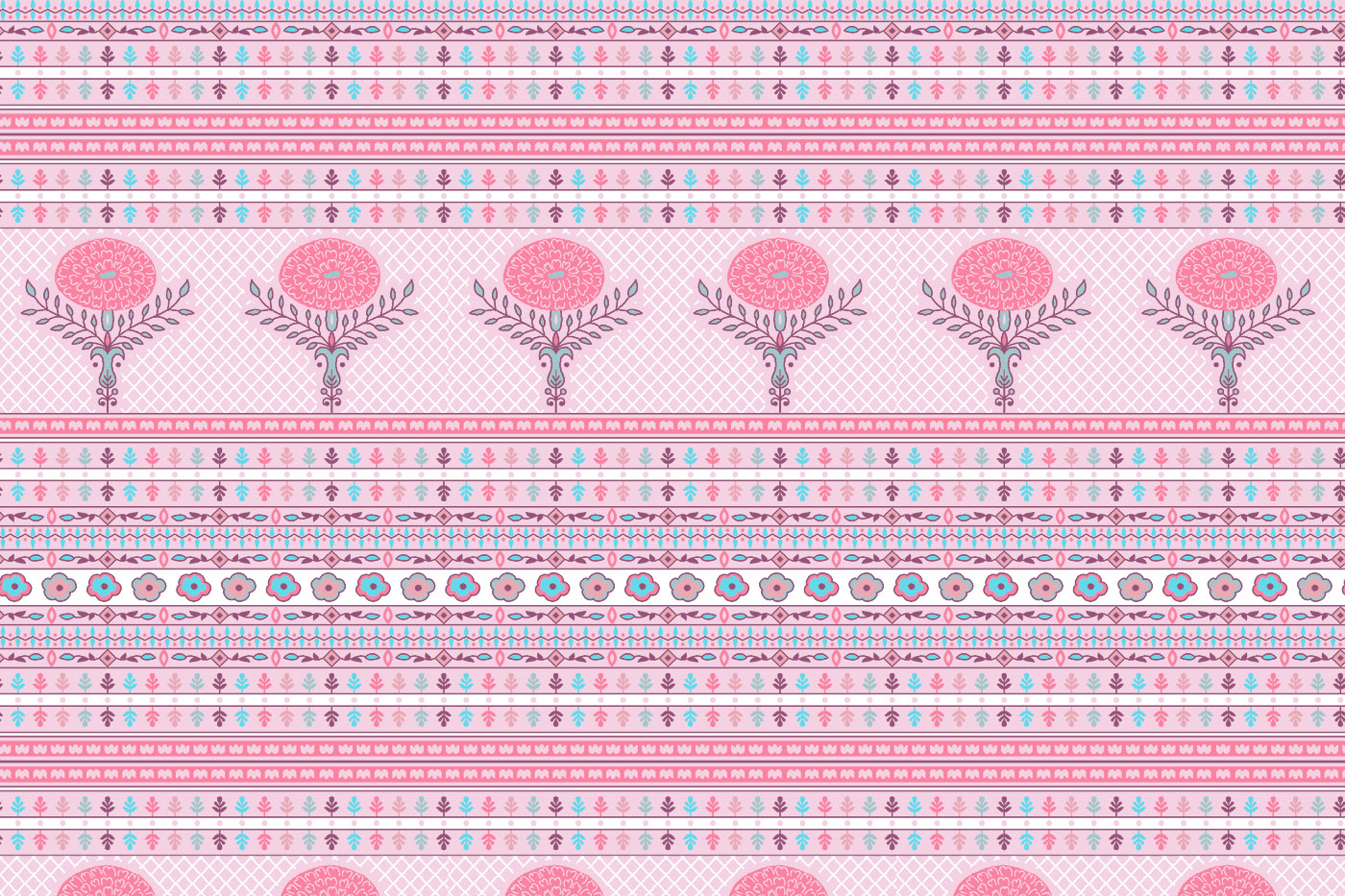
Modern Linear Motion
Explore Design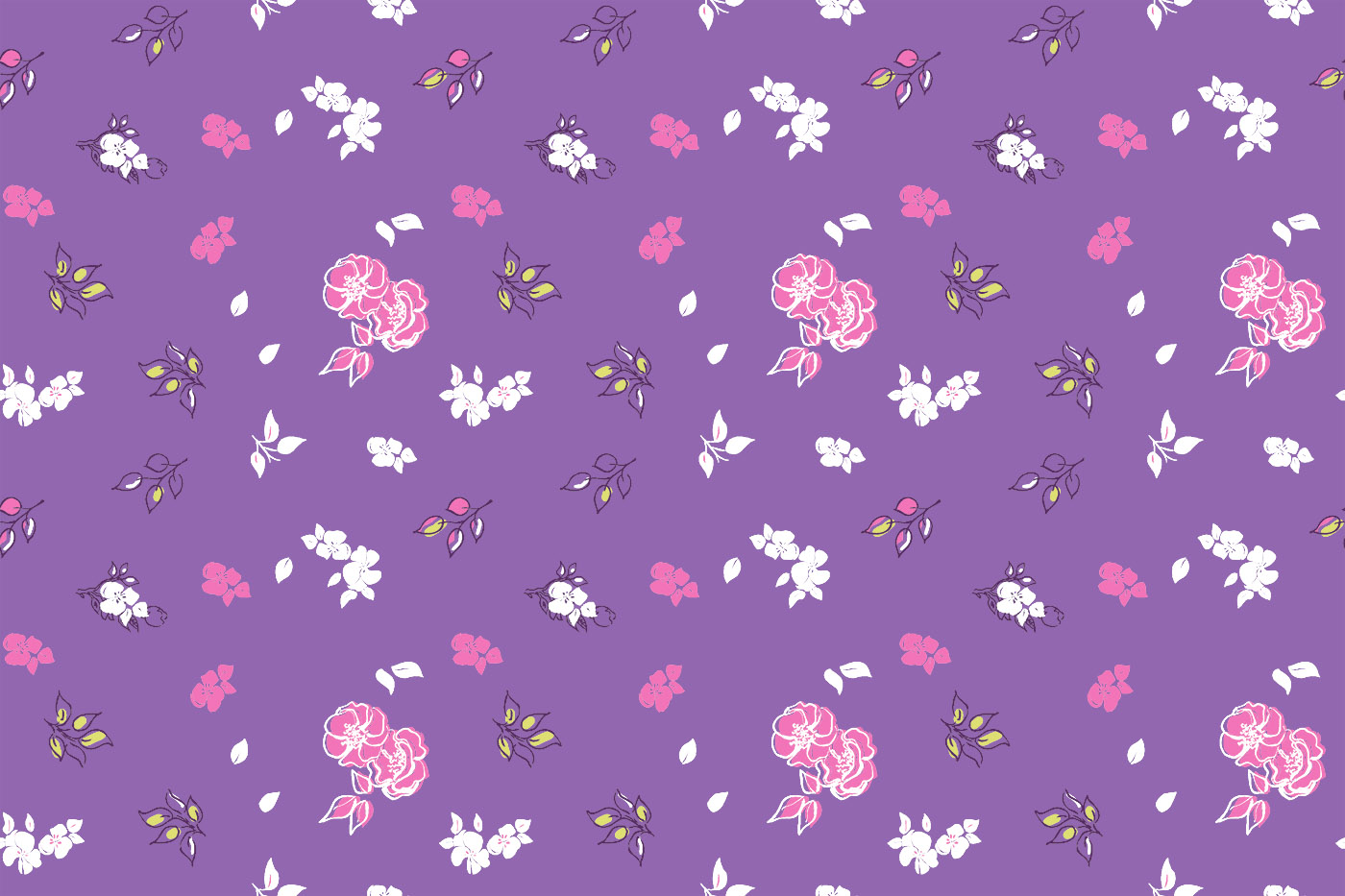
Organic Shape Repeat
Explore Design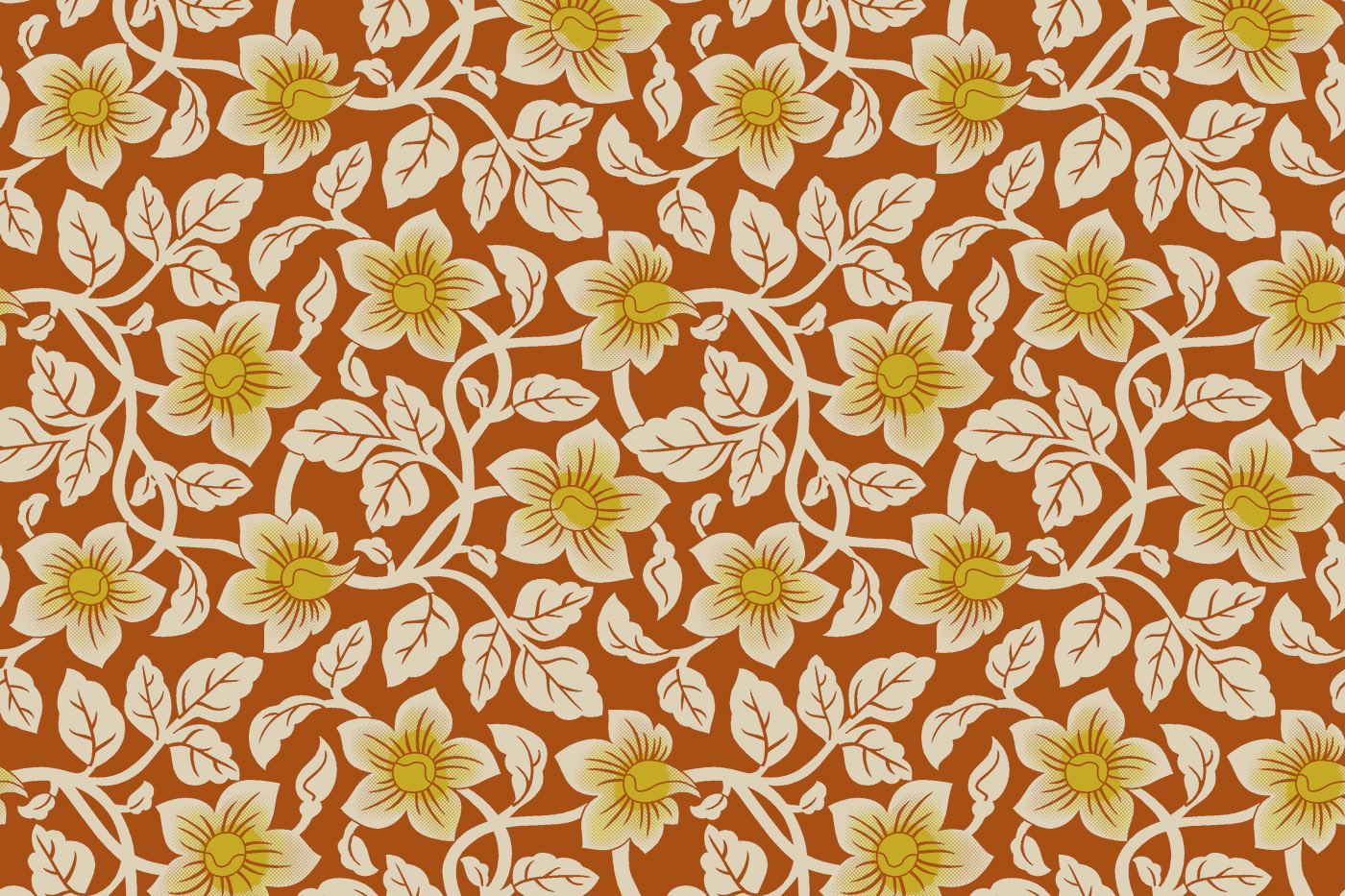
Contemporary Graphic Surface
Explore Design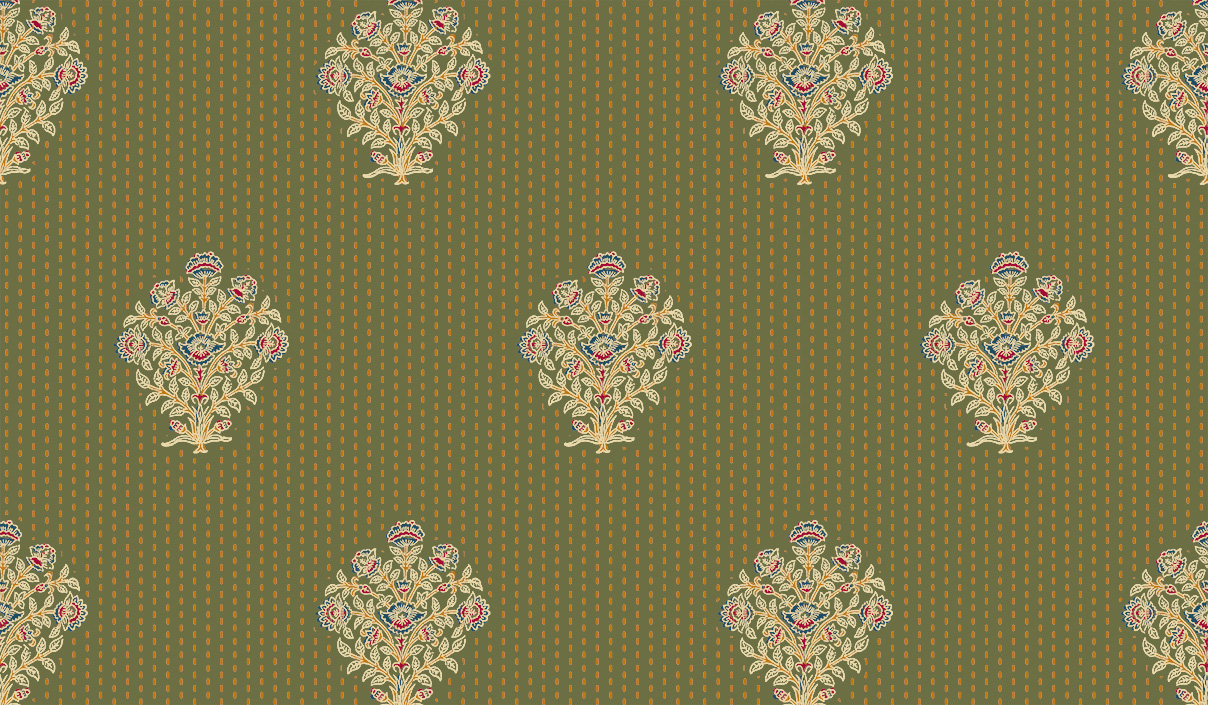
Abstract Botanical Form
Explore Design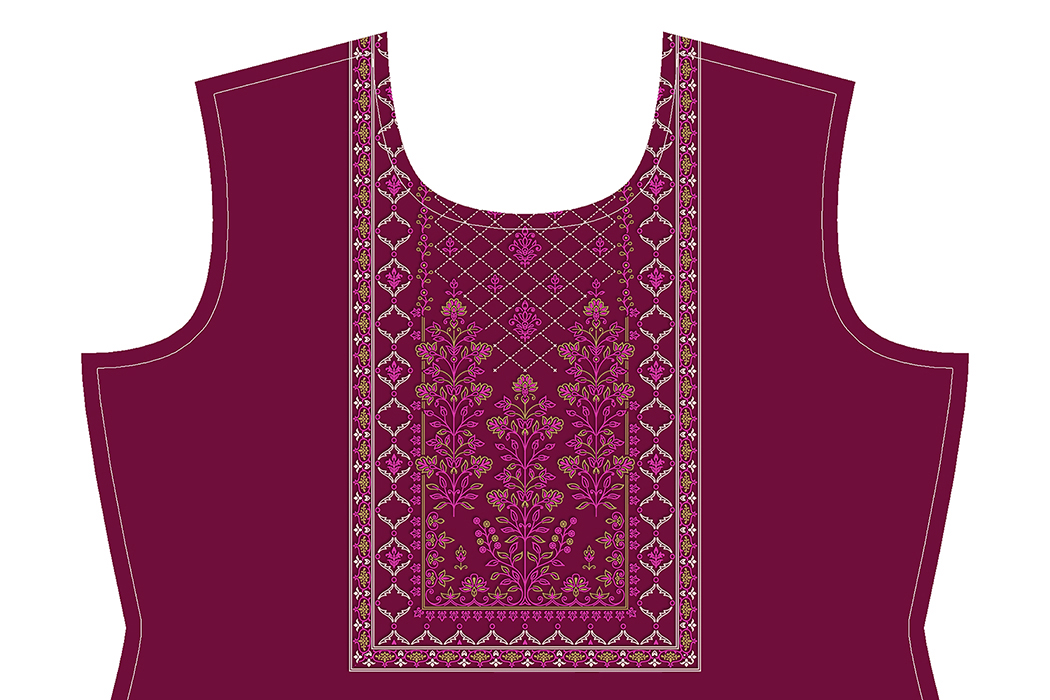
Expressive Pattern Direction
Explore DesignAbstract textile prints do not depend on a single recognizable motif. Their strength comes from rhythm, movement, texture, contrast and the relationship between positive and negative space.
Abstract print design can combine brush marks, fluid curves, broken lines, geometric fragments, painterly textures and simplified botanical forms. That flexibility makes abstract patterns useful across contemporary fashion, casual apparel, statement garments and fabric collections.
In textile design, abstraction is not random decoration. The designer controls scale, direction, density, repeat boundaries and colour relationships so that the artwork remains visually balanced when it is printed continuously across fabric.
This guide explains how abstract textile prints are developed, how visual rhythm affects fabric, and how production-ready abstract patterns can support fashion designers, garment manufacturers, exporters and fabric printers.
What Makes an Abstract Textile Print Work?
An effective abstract textile print is not simply a collection of random shapes. Scale, visual rhythm, contrast, negative space, colour and repeat construction determine how the artwork behaves on fabric.
✦
Visual Rhythm
Abstract prints work through repetition, movement and spacing. Curves, broken lines, brush marks and geometric fragments create a controlled rhythm across the fabric instead of relying on one literal motif.
◈
Scale & Density
Large shapes create a bold statement, while smaller marks create a finer surface texture. The balance between dense areas and open ground determines how busy or refined the final fabric feels.
▦
Repeat Behaviour
Half-drop, brick, mirror, stripe and seamless all-over structures can give the same abstract vocabulary completely different results. Clean repeat edges are essential for continuous textile printing.
◉
Colour Contrast
Abstract artwork responds strongly to colour. Tonal palettes can feel sophisticated, while high-contrast combinations make lines, shapes and focal areas stand out clearly on fashion fabrics.
How a abstract textile Textile Print Is Developed
abstract textile surface design is built through a sequence of visual decisions rather than simply placing ornamental illustrations on a page.
1
Start with a Visual Direction
Decide whether the collection should feel painterly, geometric, fluid, architectural, organic, minimal or experimental. This gives the abstract artwork a consistent visual language.
2
Build the Core Shapes
Develop lines, marks, blocks, curves, fragments or simplified forms that will become the design vocabulary. Avoid adding unrelated elements simply to fill space.
3
Control Scale and Density
Test large and small elements together. Open areas can create a premium minimal effect, while tighter clusters can create stronger surface energy.
4
Construct the Repeat
Choose an all-over, half-drop, brick, mirror, stripe or engineered repeat according to the intended fabric application. Edges must connect cleanly.
5
Develop the Colour Story
Use contrast, tonal layering or controlled colour families to create depth. Multiple colourways can take one abstract artwork into different seasonal directions.
6
Prepare Production Artwork
Organise layers, channels or vector objects where applicable so colour, scale and artwork adjustments can be made efficiently for textile production.
7
Test at Fabric Scale
A pattern can look completely different when enlarged to garment or fabric width. Check motif size, visual density, repeat visibility and colour contrast on the actual intended scale.
8
Release the Final Print
After repeat, scale and colour are approved, the artwork can move into sampling or bulk production with the required production specifications.
The abstract textile Print Workflow at a Glance
A simple production map from the first ornamental motif decision to a fabric-ready repeat.
Concept
→
Motif
→
Shape Language
→
Scale
→
Colourway
→
Repeat
→
Fabric Sample
→
Production
The final appearance depends on motif scale, fabric width, repeat size, printing technology, colour limits and the intended garment silhouette.
Abstract Print Colourways: 6 Bright & Expressive Directions
Abstract prints become more versatile when the same visual language is explored through energetic colour. These six bright directions can shift the mood from playful and youthful to bold, artistic and statement-led.
Coral BurstAB-01 · Energetic
Electric BlueAB-02 · Graphic
Lime PopAB-03 · Fresh
Violet PulseAB-04 · Artistic
Sunshine YellowAB-05 · Optimistic
Aqua MintAB-06 · Contemporary
Colour direction only. Final production shades should be approved on the selected fabric and against the printer or dye-house colour standard.
The Design Structure Behind Abstract Textile Prints
Abstract textile composition is built from shape, scale, direction, contrast and negative space. The artwork should create movement across the fabric while keeping enough visual breathing room for the repeat to remain balanced.
ABSTRACT TEXTILE · VISUAL STRUCTURE
- Primary focal form — establish one dominant shape or colour area that gives the composition a clear visual entry point.
- Directional movement — use curves, diagonals, broken lines or repeated forms to guide the eye across the fabric.
- Scale variation — combine large, medium and small elements so the surface does not feel mechanically repetitive.
- Negative space — leave controlled open areas around strong forms to prevent the repeat from becoming visually crowded.
- Repeat continuity — connect edges carefully so the artwork flows naturally when repeated across fabric width and length.
Why abstract textile Prints Are So Useful in Fashion
abstract textile prints are flexible because scale, colour, density and position can change the character of the same artwork. A restrained front-body motif can suit everyday kurtis, while a larger engineered placement can support festive or premium collections.
For garment manufacturers, a strong placement system makes collection building easier: one motif family can be adapted into abstract bodies, center panels, yokes, sleeves, borders and coordinated dupattas instead of creating unrelated artwork for every product.
Kurti & Suit
Buti, ornamental border and neckline placements for everyday and festive collections.
Dresses & Co-ords
Large botanical, tropical and contemporary repeats for western and resort-led silhouettes.
Dupatta & Panels
Engineered borders, center panels and abstract body placements for coordinated garment design.
abstract textile Prints for Modern Textile Production
A good digital placement file is useful because the artwork can be adjusted for garment width, length, colour and production requirements without rebuilding the design from scratch.
abstract Fashion Applications
- Kurti, salwar suit and ethnic sets with ornamental repeats
- Dresses, jackets and western apparel
- Shirts, tops and co-ord sets
- Dupattas, scarves, stoles and panels
- Yoke, neckline, sleeve and panel placements
- Luxury, festive and seasonal collections
Supporting Textile Applications
- Continuous fabric printing
- Bedsheets and pillow covers
- Cushion and curtain fabrics
- Table linen and soft décor
- Wallpaper and surface design
- Sampling and private-label collections
300 DPIHigh-resolution option on applicable files
PSDLayers & editable channels on applicable designs
SeamlessRepeat-ready patterns for continuous fabric
RGB / CMYKColour profiles on applicable production files
Ready-to-Print abstract Placement Designs — Faster Sampling, Cleaner Garment Layouts
Developing a commercial abstract textile from scratch can involve motif drawing, garment mapping, colourway development, scale testing and production preparation. A ready-made placement design removes much of that repetitive setup work.
DesignShatter placement listings vary by design and license. Check the individual listing for the current file format, resolution, editability, licensing and price before download. Explore the Kurti / Suit Placement collection.
For custom textile design requests, DesignShatter currently lists Standard Delivery at 7–10 working days, Express at 3–5 working days, and Urgent / Fast Track at 1–2 working days, depending on the selected requirement.
Current DesignShatter Offers: Buy 3 Designs & Save 25% — Use Code DSBUY3SAVE25 • New User? Get 10% OFF — DSWELCOME20 • Buy 3+ Designs & Save 50% — FREEDOM50
abstract Placement Designs for Your Next Fashion Collection
Explore abstract textile artwork and choose the visual direction that fits your fashion collection, fabric surface or coordinated garment range.
Abstract Textile Texture
Explore AbstractModern Linear Motion
Explore AbstractOrganic Shape Repeat
Explore AbstractContemporary Graphic Surface
Explore Abstractabstract textile Print — Frequently Asked Questions
What is an abstract textile print?
An abstract textile print uses non-literal shapes, lines, textures, marks, colour fields or simplified forms to create a surface pattern without relying on one recognizable motif.
Are abstract prints suitable for fashion garments?
Yes. Abstract patterns can be used for dresses, kurtis, shirts, co-ord sets, scarves and other apparel, with scale and density adjusted to the garment and fabric.
What types of abstract textile patterns are popular?
Common directions include brush-stroke patterns, linear graphics, organic shapes, geometric abstractions, painterly textures, fluid forms, abstract botanicals and mixed-media style repeats.
Can an abstract design be used as a seamless repeat?
Yes, when the artwork is constructed as a seamless repeat. The repeat type should be selected according to fabric width, motif scale and the intended visual effect.
Why does scale matter in abstract fabric prints?
Scale changes the visual character of the entire fabric. Large shapes create a stronger statement, while smaller marks can produce a more detailed and commercially versatile surface.
Can abstract textile prints be recoloured?
When the supplied artwork contains editable layers, channels or vector objects, colourways can generally be adjusted more efficiently. The exact editing capability depends on the individual file.
Latest Post


